Ask ten vets what they feed their own cats and you will get several different answers, because there is no single correct diet — but the general leaning is toward wet food, or a mix of wet and dry, with dry food chosen mainly for convenience. The honest answer is that a complete, balanced food your cat thrives on matters more than the format.
- Wet food adds water and suits a cat’s low thirst.
- Dry food is convenient, cheaper, and easy to portion.
- Many vets mix the two, or feed wet as the base.
- The best food is one your cat eats and does well on.
So what do vets actually feed their own cats?
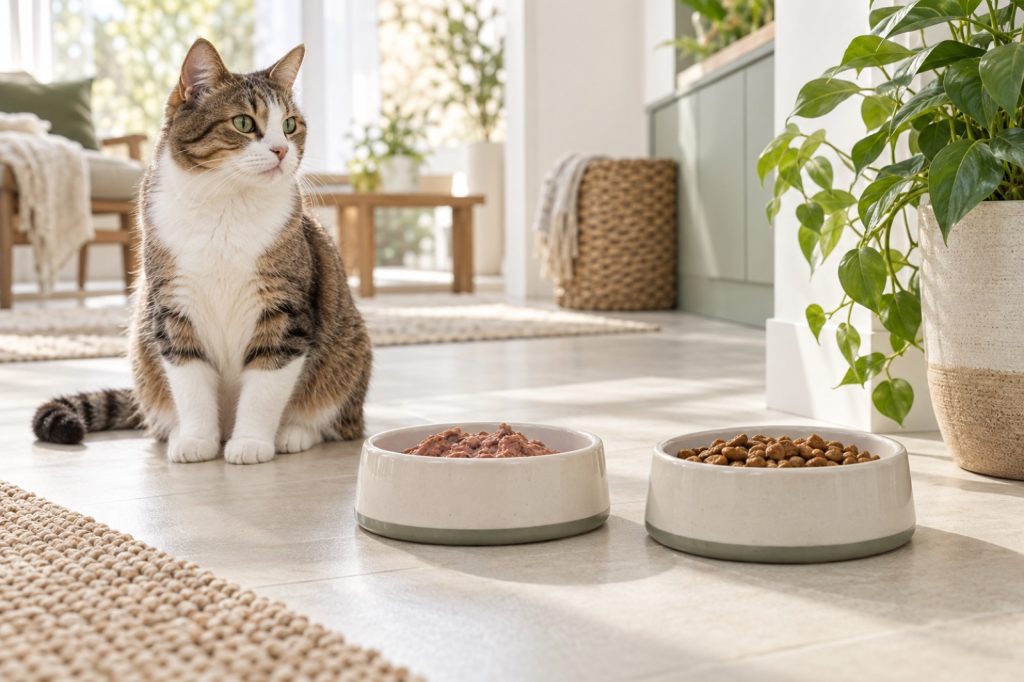
There is no official register of what veterinary professionals feed their own cats, and anyone who claims a precise figure is guessing. What you will hear in practice is a range. Some feed wet food as the main diet because it supports hydration and tends to be higher in protein and lower in carbohydrate. Some feed dry for convenience, cost, and because their cat does well on it. Many mix the two — wet for most meals, dry for a puzzle feeder or when they are away. The common thread is not the format but the quality: a complete and balanced food, appropriate portion sizes, and a cat who maintains a healthy weight and coat. Vets apply the same principles to their own cats that they recommend to clients. That means judging the food by the cat in front of them, not by a blanket rule about cans versus kibble.
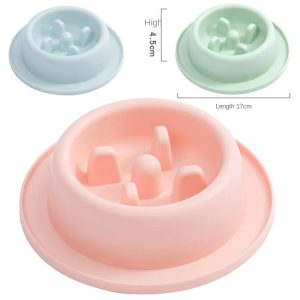
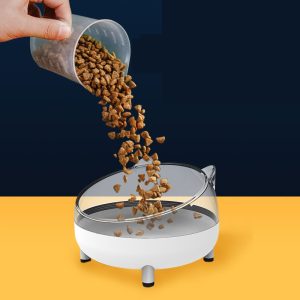
Pet Cat Slow Food Bowl Fat Help Healthy Round Anti-choking Thickened And Non-slip Multiple Colors Shapes. Part of…
What are the real advantages of wet food?
The clearest advantage is water. Wet food is roughly seventy to eighty per cent moisture, so a cat eating it takes in a large share of her daily fluid with every meal. That matters because cats have a weak thirst drive and often run short on water, particularly on dry diets, as we explain in our guide to why cats do not drink enough water. Wet food also tends to be higher in animal protein and lower in carbohydrates, which aligns with a cat’s natural carnivorous diet. It is highly palatable, so it helps fussy eaters and cats with a reduced appetite. The trade-offs are cost, shorter shelf life once opened, and the need to refrigerate leftovers and bring them to room temperature before serving. Many cats refuse cold food straight from the fridge, so a few seconds in warm water makes a real difference.
What are the advantages of dry food?
Dry food wins on practicality. It is cheaper per calorie, stores without refrigeration, and can be left out for grazing or used in puzzle feeders and treat balls. That makes it a sensible option for multi-cat homes, for busy owners, and for cats who genuinely prefer the crunch. It also helps with dental abrasion, though it is not a substitute for tooth brushing. The main caution is water: a cat on dry food alone must drink more from her bowl to stay hydrated, and not all cats do. If you feed dry as the base, pair it with at least one wet meal a day where possible, and keep fresh water available in several places. Quality matters too — look for a complete food with a named animal protein first. If you are unsure whether a food is complete, check the label for a statement that it meets the nutritional standards for your cat’s life stage.
Can I feed both?
Yes, and a mixed diet is a common and reasonable approach. The usual pattern is wet food for the main meals and a measured portion of dry for a puzzle feeder, a snack, or when you are out. The one rule is portion control: total calories must suit your cat’s weight and activity, so measure both the wet and the dry rather than topping up freely. Many owners find the mix gives the hydration benefits of wet food with the convenience of dry. If your cat has a medical condition such as kidney disease, diabetes, or urinary issues, ask your vet to help set the balance. For most healthy cats, a mixed diet that is measured and complete works well. Keep an eye on body condition, since it is easy to overfeed when two formats are on the menu at once.
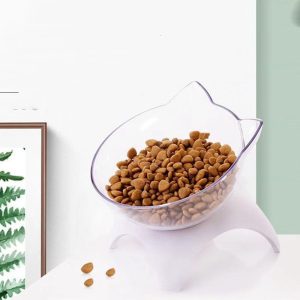
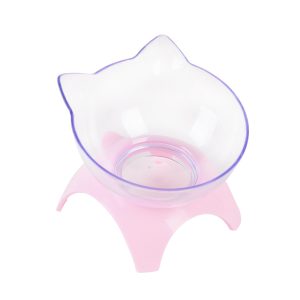
Removable And Washable Multi-purpose Cat Bowl. Part of the KiKi Meow Cat Feeding and Water collection for cats.
Does how I feed matter as much as what I feed?
It does, and it is often overlooked. A cat who wolfs her food in two minutes may vomit it back up, and a cat who grazes all day may gain weight without anyone noticing. Slowing the meal down with a slow feeder or a puzzle helps fast eaters keep it down and gives them mental work. Feeding on a schedule, rather than free-feeding, makes it easier to spot a loss of appetite, which is one of the earliest signs of illness. It also lets you control portions properly. Our guide to slow feeders for cats shows how to match the method to the cat. The format of the food matters less than the total, the routine, and how your cat responds. A cat who eats calmly, keeps a healthy weight, and has good energy and coat condition is being fed well, whatever is in the bowl.
How do I switch foods without upsetting her stomach?
Change slowly, over about a week, mixing increasing amounts of the new food into the old. A common schedule is roughly a quarter new to three quarters old for a few days, then half and half, then three quarters new, then all new, adjusting the pace to your cat. A sudden switch is the most frequent cause of vomiting and diarrhoea, because the gut bacteria need time to adapt. If your cat is a fussy eater, warm the wet food slightly to release aroma, and offer it in a quiet spot. Watch her stools and appetite during the change, and slow down if either slips. If she refuses the new food entirely, do not starve her into it — cats can become unwell quickly without food. If she skips more than a day, offer the old food and try again more slowly.
Frequently asked questions
- Do vets feed their cats wet or dry food? Both, and often a mix. There is no single answer; quality and your cat’s response matter most.
- Is wet food always better than dry? Not always, but it adds valuable water and suits cats’ low thirst drive well.
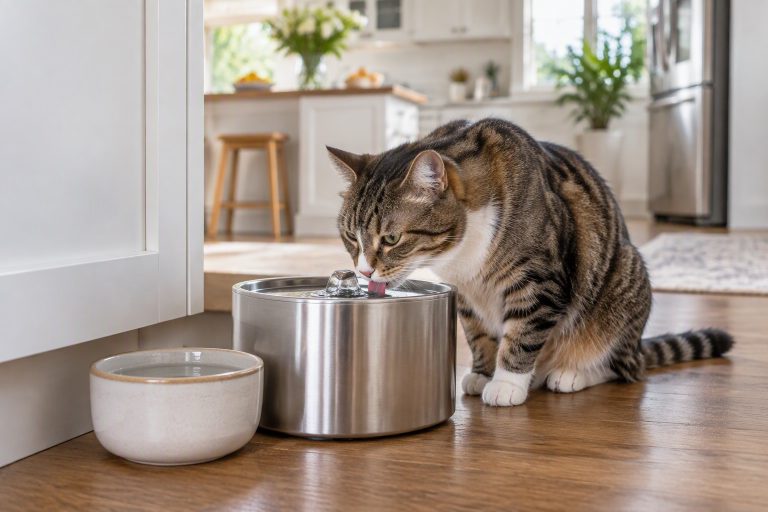
- Can dry food alone be healthy? Yes, if it is complete and your cat drinks enough water. Many cats need help with that, and a fountain can close the gap.
- How long should a food transition take? About a week, mixing the new food in gradually to avoid stomach upset. Slower is always safer with a sensitive cat.
- Should I free-feed my cat? Scheduled, measured meals make appetite changes easier to spot and help control weight. It also makes it obvious if she suddenly goes off her food.