An indoor cat needs roughly two to three play sessions a day totalling thirty to sixty minutes, plus access to solo toys she can bat around on her own. Without that, she accumulates energy and stress that come out as night zoomies, furniture clawing, and ankle attacks.
- Aim for two or three short sessions daily, about 10–20 minutes each, totalling 30–60 minutes.
- End every session with a “catch” so your cat feels she won the hunt and can then rest.
- Leave solo toys out between sessions so she can self-entertain when you are busy.
- A tired cat from good play is far less likely to bite ankles or zoom at 3am.
Why do indoor cats need so much play?
Indoor life removes the hunting, climbing, and territory-patrolling that would burn a cat’s energy outdoors, so that drive has nowhere to go. A bored indoor cat does not just nap quietly—she redirects the pent-up instinct into shredding furniture, racing at night, and ambushing your feet. Structured play is not a luxury; it is the replacement for the exercise and mental work her body expects. Our list of best interactive toys for indoor cats shows what actually holds attention. A good toy rotation plus daily sessions prevents the behavioural problems that send owners to the vet or the rehoming centre. Think of play as the cat’s job: without it she gets anxious, overweight, and destructive. Thirty to sixty minutes spread across the day is the dose that keeps most indoor cats balanced, calm, and genuinely happy rather than merely contained inside four walls all their lives.
How should I split play across the day?
The most effective rhythm is a short session in the morning before you leave, one in the evening, and a longer wind-down hunt right before bedtime. Cats are crepuscular—most active at dawn and dusk—so those windows match their natural rhythm and make cooperation easy. A cat that bites ankles at night is usually one whose evening energy was never spent, so the pre-bed session is the most important. Ten to twenty minutes is enough per slot if the play is focused and ends in a catch. Between sessions, leave solo toys and a puzzle feeder out so she keeps moving on her own. Do not try to dump it all into one marathon session on weekends; consistency across days matters more than intensity. Match the timing to her clock, and you will notice calmer nights and a cat that greets the day with a satisfied, well-exercised calm instead of frantic mischief.
What kind of play counts as real exercise?
Real exercise for a cat is the stalk-chase-pounce-catch sequence, which means a wand toy or laser that makes her run, leap, and twist beats a ball she bats once and ignores. The goal is to elevate her heart rate and engage her brain, not just move an object. A quality interactive toy that mimics prey—erratic movement, hiding, darting—triggers the full hunt and tires her properly. Climbing a cat tree and chasing a feather up a wall also count as cardio. A mix of toys prevents habituation, because cats bore quickly of the same game. Crucially, always let her catch and “kill” the toy at the end; a hunt with no catch leaves her frustrated and restless, which is the opposite of the calm you want. Quality of the chase, ending in success, is what converts playtime into genuine physical and emotional exhaustion she needs.
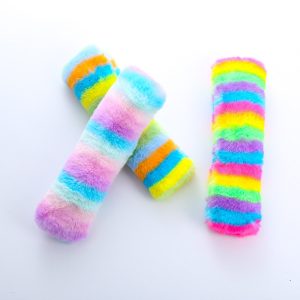
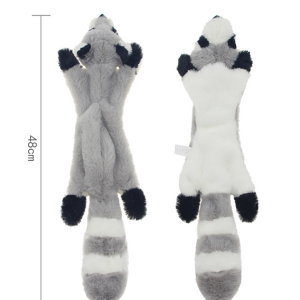
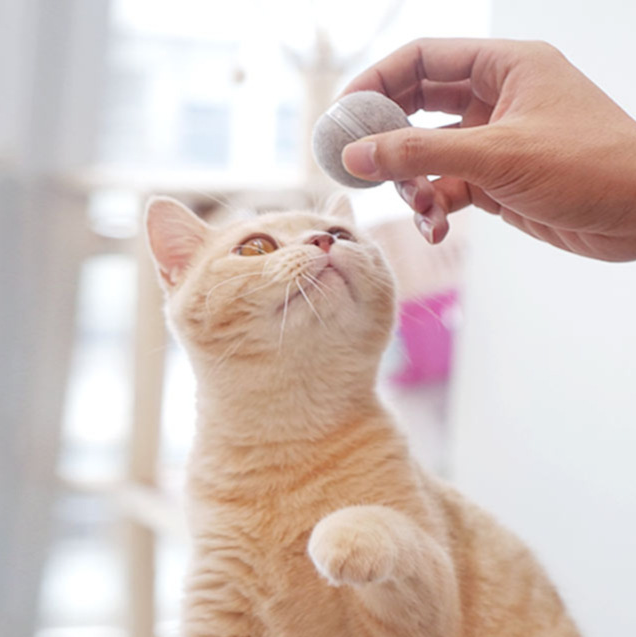
Keeps curious cats engaged and active. Solo-play design for independent entertainment.
How do I stop night-time ankle attacks with play?
Ankle biting at 3am is almost always a plea for the hunt you did not provide, so the fix is a vigorous play session ending in a meal about an hour before bed. The sequence matters: hunt, catch, eat, groom, sleep—that is a cat’s natural cycle, and replicating it resets her internal clock to yours. Our piece on stopping ankle biting at night walks through the full routine. A wand toy worked hard for fifteen minutes, then a small meal, signals bedtime far better than yelling. Never use your hands as toys during the day, because that teaches feet are prey; if she is already trained that way, redirect with a toy. Combine the evening session with a puzzle feeder at night so her brain stays busy while you sleep. Within a week of consistent pre-bed hunts, the ankle ambushes usually stop as her energy finally matches your schedule.
Can toys alone keep an indoor cat fit?
Toys are necessary but not sufficient on their own; they need a human to animate the good ones, plus environmental enrichment so she moves when you are away. A rotating toy collection prevents boredom, but a wand toy thrown on the floor does nothing until you swing it. That is why solo options—balls, catnip mice, and a food puzzle—matter: they let her self-play. Vertical territory like trees and shelves adds climbing cardio without your input. For a truly fit indoor cat, combine daily human-led sessions, self-play toys, climbing structures, and window views that spark stalking behaviour. Toys are the tool; your consistency is the program. A cat with rich surroundings and regular play stays lean and content, while a cat with one lonely toy in an empty room will never reach the activity level her body and mind were built for, no matter how many toys sit unused on a shelf.
How do I know if my cat is getting enough play?
Her behaviour is the report card. A well-exercised cat sleeps deeply, greets you calmly, uses her scratchers, and leaves your ankles alone; an under-played cat shows zoomies, night waking, destructive scratching, overeating, and irritable ambushes. Track rough session minutes weekly and adjust if problems appear. A varied toy lineup keeps engagement high so the minutes actually count. If she ignores play entirely, she may be ill, obese, or bored of the toy—rotate in something new from our interactive toy guide and try a different time of day. Senior cats need gentler, shorter sessions but still need them to stay mobile. The threshold is not a rigid number; it is the point where her mischief stops and her relaxation begins. When the bad behaviours fade, you have found her personal play dose, and you can hold that rhythm confidently for life.
Frequently asked questions
- Is a laser pointer enough exercise? It builds cardio but never lets her catch, so always end with a real toy she can capture.
- What if I work long hours? Use a puzzle feeder and solo toys by day, then two focused sessions when you are home.
- Do older cats need less play? Shorter and gentler, yes, but daily movement keeps senior joints and minds healthy.
- Why does my cat lose interest quickly? She is bored of the toy; rotate items every few days to keep the hunt feeling novel.