To keep a cat cool in summer, give her shade, moving air, cool water, and cool surfaces to lie on, and never leave her in a parked car or a hot room. Cats cannot sweat through their skin, so they rely on grooming and finding cool spots, which makes your help important. Watch for heavy panting, drooling, and lethargy, because those can signal heatstroke and need urgent vet care.
- Offer shade, airflow, and cool surfaces.
- Keep fresh water available in several spots.
- Never leave a cat in a parked car.
- Panting and drooling need urgent vet care.
How do I know if my cat is too hot?
Cats are good at hiding discomfort, so you need to look for specific signs. Early clues include seeking out cool floors, lying stretched out on tiles, drinking more than usual, and grooming more to spread saliva for evaporative cooling. As she gets hotter, she may become restless, breathe faster, and lie with her paws spread out. More serious signs are open-mouth panting, which is not normal in cats, along with drooling, a bright red tongue or gums, wobbling, vomiting, and lethargy. A cat who is very hot may also seem confused or unresponsive. If you see panting or drooling, treat it as an emergency and cool her gradually with cool, not ice-cold, water while you call your vet. Heatstroke in cats progresses quickly, so it is far better to act early than to wait and see.
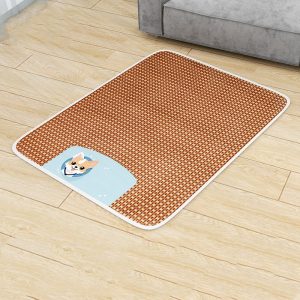
Seasonal Cooling Mat For Small And Large Pets. Part of the KiKi Meow Cat Beds collection for cats.
What are the best ways to cool a cat down?
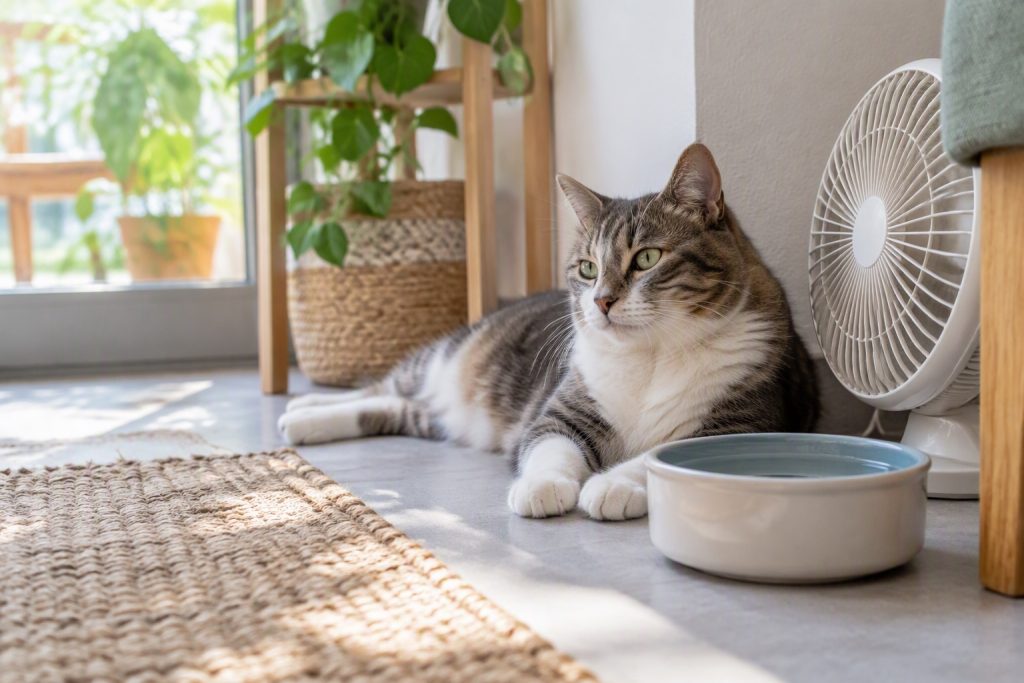
The most effective steps are simple. Keep her in the coolest room in the house, often a shaded ground-floor room or a bathroom with tiled floors, and use a fan to move air around, though never point it directly at her for long periods. Close curtains and blinds during the hottest part of the day to block direct sun, and open windows at night when the air is cooler. Offer a cooling mat or a damp towel in the shade, and let her choose whether to use it. A shallow tray of cool water she can step in helps some cats, and brushing her coat removes loose fur that traps heat. Never pour cold water over her or put her in an ice bath, since rapid cooling can cause shock. Provide several water bowls and consider a fountain, because moving water often encourages drinking.
How much water does a cat need in hot weather?
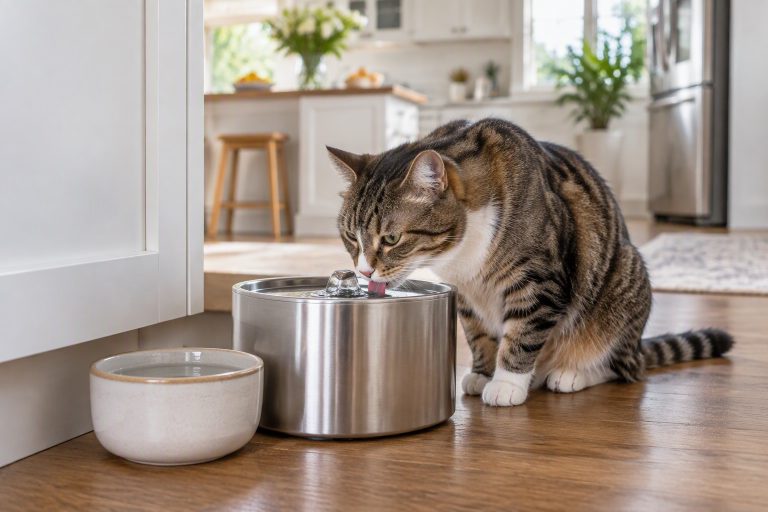
Cats need more water when it is hot, and a typical adult cat needs roughly 50 to 60 millilitres per kilogram of body weight per day, with much of it coming from wet food. In summer, that requirement rises, especially if she is active or on dry food alone. Offer fresh water in several places around the home, use wide ceramic or stainless steel bowls so her whiskers do not touch the sides, and refresh the water at least daily. Many cats drink more from a running source, so a fountain can help. Adding wet food is one of the easiest ways to raise her intake, since it is about 70 to 80 percent water. Watch for signs of dehydration such as tacky gums, reduced skin elasticity, and lethargy, and if she stops drinking or seems unwell, contact your vet. Our guide to a cat not drinking enough water has more practical tips.
Should I shave my cat for summer?
For most cats, no. A cat’s coat is not just insulation against cold; it also insulates against heat and protects the skin from sunburn and injury. Shaving removes that protection and can leave a cat more vulnerable to sunburn and overheating, and it can also affect how her coat regrows. Exceptions exist: a long-haired cat with severe matting, or one whose vet recommends a clip for medical reasons, may benefit from a professional groom. Even then, a lion cut leaves some coat for protection and should be done by a groomer rather than at home. For the average cat, regular brushing to remove loose undercoat does far more good than shaving, since it improves airflow through the coat without removing the protective top layer. If you are unsure, ask your vet or a professional groomer before reaching for the clippers.
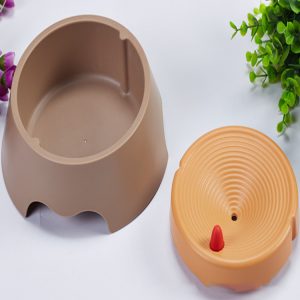
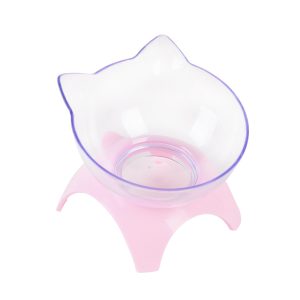
Pet drinking bowl. Part of the KiKi Meow Cat Feeding and Water collection for cats.
What are the signs of heatstroke in cats?
Heatstroke is a medical emergency, and the signs include open-mouth panting, excessive drooling, a bright red tongue and gums, rapid or laboured breathing, vomiting, diarrhoea, wobbling, confusion, and collapse. A cat with heatstroke may also feel very hot to the touch. If you see these signs, move her to a cool, shaded place immediately, wet her coat with cool water, especially around the paws, ears, and belly, and use a fan to increase airflow. Do not use ice-cold water or ice packs, which can constrict blood vessels and worsen the problem. Offer small amounts of cool water to drink if she is alert, but never force it. Then call your vet or an emergency clinic straight away, because heatstroke can cause organ damage even if she seems to recover. Prevention is far easier than treatment, so never leave her in a car or a hot room, even briefly.
How do I keep the house cool when I am out?
Plan ahead before you leave for the day. Close curtains and blinds on the sunny side of the home, and leave internal doors open so air can circulate. If you have air conditioning, set it to a safe temperature rather than turning it off completely, and if you do not, leave a fan running in a well-ventilated room and open windows where it is safe to do so. Make sure she has several bowls of fresh water and a cool surface to lie on, such as a tiled bathroom floor or a cooling mat. Cats often find their own cool spots, so do not block access to the bathroom or hallway. Our guide to whether cats need beds explains how resting spots affect comfort, and a breathable bed or mat helps in summer. If your home gets dangerously hot, consider a pet sitter or a cool room with air conditioning.
Frequently asked questions
- Is panting normal in cats? No. Unlike dogs, cats rarely pant, so open-mouth panting is a warning sign that needs prompt attention.
- Can I give my cat ice cubes? A few small ice cubes in her water bowl are usually fine and can encourage drinking, but do not use ice to cool her body directly.
- Do cats sweat? Cats have sweat glands mainly in their paw pads, so they cannot cool down by sweating through their skin the way people do.
- Should I leave a fan on for my cat? Yes, moving air helps, but make sure she has somewhere to escape it and that the fan cannot be knocked over.
- What temperature is too hot for a cat? Cats are generally comfortable below about 26 degrees Celsius. Above that, offer cooling options, and take action if she shows signs of overheating.