A puzzle feeder is a toy or bowl that makes your cat work for her food, turning a passive meal into a few minutes of problem-solving that mimics hunting. They are excellent for indoor cats prone to boredom, speedy eating, or weight gain, and they are easy to introduce with a little patience.
- A puzzle feeder turns meals into a easy hunt that fights boredom and slows fast eaters.
- Start with the easiest level and raise difficulty only as your cat succeeds.
- Use it for a portion of the daily ration, not necessarily every kibble at first.
- Combine with daily play from our indoor cat play guide for best results.
What exactly is a puzzle feeder?
A puzzle feeder is any device that hides food behind a small challenge—rolling a ball to release kibble, lifting lids, or pawing kibble out of a maze—so the cat must think and work before she eats. It replaces the bowl with a task, which is closer to how a cat is built to eat: stalk, capture, manipulate, consume. The mental engagement is the point, not just the calories. A good interactive toy scratches the same itch, but the feeder does it at every meal. Our toy and feeder collection spans simple to advanced. Unlike a plain slow bowl, a true puzzle requires paws and brain, so it burns a little energy and a lot of boredom. For an indoor cat with nothing to hunt, that structured challenge is genuinely therapeutic, giving her a job each day and reducing the restless, destructive behaviour that comes from a life with no purpose beyond waiting for the next bowl to appear.
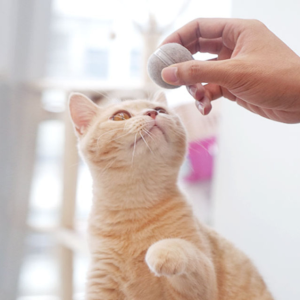
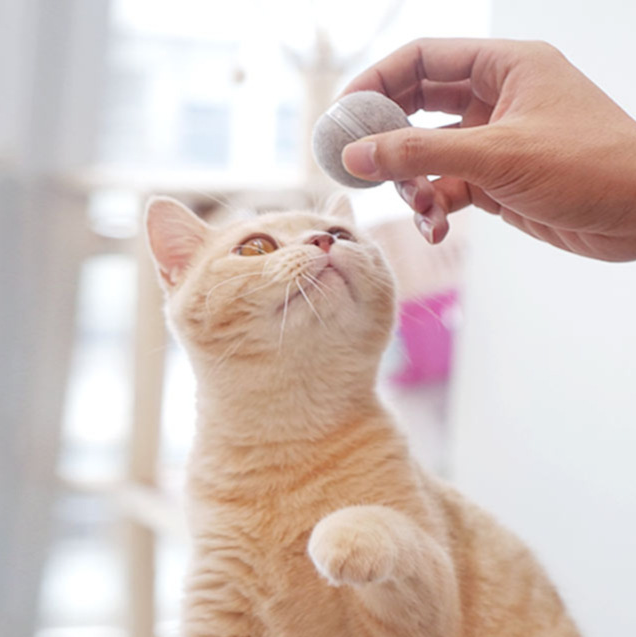
Keeps curious cats engaged and active. Solo-play design for independent entertainment.
Which cats benefit most from puzzle feeders?
The biggest winners are clever, food-motivated indoor cats who get into trouble from boredom, plus speed-eaters who bolt their meals and vomit. Puzzles slow the gobblers and tire the restless, which is why they pair so well with our notes on slow feeders for cats. A puzzle toy also helps overweight cats feel satisfied after working for smaller portions. Kittens and young adults love the challenge; seniors may need the easiest versions so frustration does not set in. Cats with anxiety often calm once they have a predictable daily task. The only poor candidates are cats so stressed or ill they stop eating—for them, a puzzle is a barrier, not a benefit. Used on the right cat, a puzzle feeder turns a passive, fattening meal into enrichment that improves mood, digestion, and waistline simultaneously, which is rare value from a single inexpensive object you already need for feeding anyway.
How do I introduce a puzzle feeder gently?
Go slow so the challenge feels like a game, not a locked pantry. Day one, put a few kibbles loose on top of the puzzle so she finds food easily and learns the object is good. Over a week, seat the kibble just inside the easy slots, then fully inside as she succeeds. A play session beforehand primes her hunting instinct and makes the puzzle irresistible. Never starve her into using it—if she walks away, you moved too fast; drop the difficulty. A beginner-level feeder builds confidence before you try rolling balls or lidded boxes. Praise and patience win; forcing a frustrated cat creates food aversion. Most cats master the easy version in days and look forward to it. The goal is a cat who expects to work a little for dinner and is happier for it, so let her set the pace and celebrate each small success rather than racing to the hardest puzzle on the shelf immediately.
What types of puzzle feeders are available?
They range from stationary maze bowls to rolling treat balls to lidded boxes your cat flips open. Stationary mazes are best for beginners and for slowing eaters without much effort; rolling balls add cardio as she bats them around; advanced boxes engage the most brain but risk frustration. A toy guide helps you match complexity to personality. A starter set of one easy maze and one rolling ball covers most cats. For wet food, use a flat lick-mat with ridges rather than a dry-food puzzle that clogs. Material matters too—choose washable plastic or silicone you can scrub daily, because food trapped in crevices grows bacteria fast. Rotate two or three puzzles so she does not memorise one solution and get bored. The right mix gives novelty that keeps the hunt feeling real, which is exactly what prevents the puzzle from becoming just another ignored object in a corner of the kitchen.
Can puzzle feeders help with weight control?
Yes, in two ways: they slow eating so satiety signals kick in, and they add small bursts of activity as the cat manipulates and sometimes chases the feeder. Together with measured portions, that supports gradual, sustainable weight loss. Our slow feeder comparison explains the digestion side in more detail. A puzzle routine also breaks the boredom-eating cycle, where a cat begs not from hunger but from nothing to do. Use the puzzle for the bulk of her kibble and keep a measured daily total so she is not simply working harder for more calories. Pair it with the daily play plan so energy burned at meals is matched by active sessions. The feeder alone will not melt fat, but as one lever in a weight plan it is remarkably effective, because it changes both how much she eats and how much she moves, addressing the two root causes of feline obesity at once.
How do I keep a puzzle feeder clean and safe?
Daily washing is non-negotiable, because trapped kibble grease and saliva breed bacteria that make cats sick and reluctant to use the feeder. Choose designs that fully come apart, scrub with hot water, and air-dry before refilling. A simple, washable puzzle beats a clever one you cannot clean. Inspect for cracks where food hides, and retire any that harbour stubborn odour. Supervise initially so a cat does not chew and swallow a broken plastic edge in her enthusiasm. A durable toy is safer than a flimsy novelty that shatters under paws. Keep the feeder in a quiet spot away from the litter box, because cats refuse food near their toilet. Cleanliness is what keeps the health benefit real; a grimy puzzle does more harm than a plain bowl, so treat washing as part of the feeding ritual rather than an occasional afterthought you skip when busy.
Frequently asked questions
- Will my cat get frustrated and stop eating? Only if too hard too fast; start easy and she will treat it as a rewarding game.
- Can I use a puzzle for wet food? Yes—use a lick-mat or ridged plate; rolling ball puzzles are for dry kibble only.
- How much of the diet should be puzzle-fed? Start with a quarter to half, then most of it once she is confident and relaxed.
- Are puzzle feeders worth it for a lazy cat? Especially yes—they motivate a sedentary cat to move and think at every meal.