The best cat litter deodoriser is one that controls odour without masking it with strong perfume, because cats often refuse a heavily scented box. The most effective approach is good litter, daily scooping, and regular full changes, with a gentle deodoriser as a supplement rather than a fix. If the box still smells despite good cleaning, that usually points to a litter, diet, or health issue rather than a need for more scent.
- Choose unscented or lightly scented products.
- Scoop daily and change litter fully each week.
- Use deodoriser as support, not a cover-up.
- Persistent smell may mean a health problem.
What is the best cat litter deodoriser?
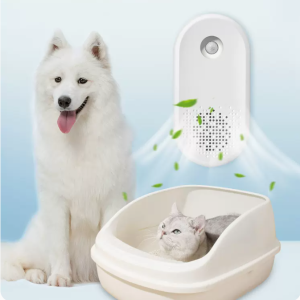
The best deodoriser is one that neutralises odour molecules rather than adding a strong fragrance on top of them. Look for products with little or no added perfume, often based on baking soda or activated charcoal, which absorb and break down odour instead of hiding it. A deodoriser can come as a powder you sprinkle into the litter, a spray for the box itself, or an additive mixed into the litter during a full change. Whatever the format, it should be safe if your cat licks her paws after using the box, so avoid anything with essential oils, which can be toxic to cats, or harsh chemicals. Remember that a deodoriser is a helper, not a solution. If the box smells bad, the underlying cause is usually infrequent cleaning, the wrong litter, or a medical issue, and no product will fix that. Choose a simple, cat-safe deodoriser and pair it with good hygiene.
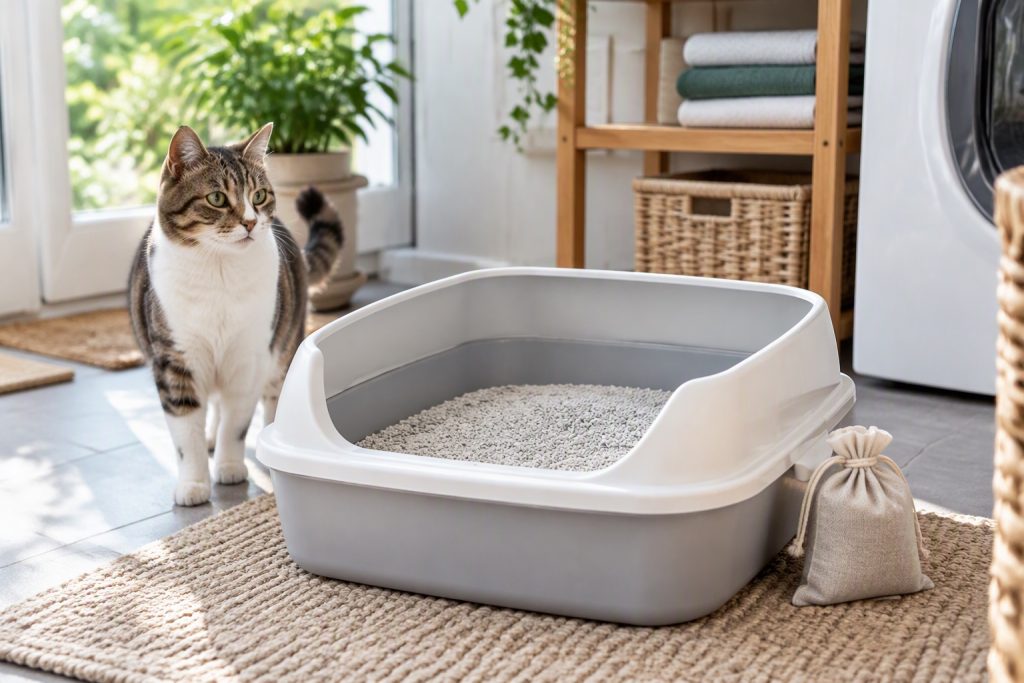
Tray, scoop, anti-splash mat and clumping litter. The whole litter corner, one box. Keeps the litter area contained,…
Why does my cat’s litter box smell so bad?
There are a few common reasons, and most have nothing to do with needing more deodoriser. First, cleaning frequency: a box that is scooped once a day may still smell by evening, especially in a multi-cat home, and urine that sits in clumping litter for long periods begins to break down and release ammonia. Second, the litter itself may not control odour well, since some litters clump and absorb far better than others. Third, the box may be too small or too shallow, so waste reaches the sides and the base, where it is harder to remove. Fourth, the litter may not be deep enough, since a shallow layer does not allow proper clumping. Fifth, diet plays a role, because some foods produce more pungent waste. And sixth, a strong, sudden change in odour can signal a health problem, such as a urinary infection, kidney disease, or diabetes, which changes the smell of urine. Our article comparing cat litter types explains how absorbency varies.
Are scented litters safe for cats?
Scented litters are not toxic in most cases, but they are often a bad idea because cats have a far more sensitive sense of smell than people do. A strong perfume that smells pleasant to you can be overwhelming to a cat, and many cats avoid a heavily scented box, which leads to accidents elsewhere. Some scented litters also contain essential oils or chemical fragrances that can irritate a cat’s airways or skin, and a few, such as certain citrus or tea tree oils, are toxic if ingested during grooming. The safest choice for most cats is an unscented litter with good clumping and odour control, paired with regular cleaning. If you want a fresher smell, a lightly scented or naturally odour-neutralising product is a gentler option, and you can add a cat-safe deodoriser that works by absorption rather than fragrance. If your cat has asthma or sensitive skin, go unscented entirely. When in doubt, choose the least scented product your cat will accept, because a box she uses happily is the real goal.
How do I control litter box odour naturally?
Natural odour control comes down to routine and design. Scoop at least once a day, and twice a day in a busy or multi-cat home, removing solids and urine clumps promptly so they cannot break down. Use a deep layer of a good clumping litter, around five to seven centimetres, so waste is fully coated and sealed. Do a full litter change and wash the box with a mild, unscented soap once a week, and let it dry completely before refilling, because a damp box holds odour. Provide enough boxes: the rule is one per cat plus one, so two cats need three boxes, and that alone reduces concentration of waste. Choose an unscented litter with strong clumping, and consider a covered box only if your cat accepts it, since some cats find them stuffy. Good ventilation in the room helps, and a thin layer of baking soda under the litter can absorb odour. Our guide to litter box placement also affects how noticeable the smell is.
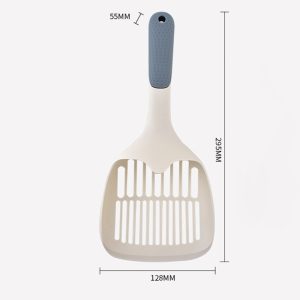
A large plastic scoop takes the daily pass, which is the one that keeps the smell down. Keep…
Should I use baking soda in the litter box?
Baking soda is a popular and generally safe way to reduce litter box odour, because it neutralises acids rather than covering them with fragrance. You can sprinkle a thin layer on the bottom of the clean box before adding litter, or mix a small amount through the litter. Keep it modest, since too much can affect how litter clumps and may make the box dusty, which some cats dislike. Avoid products that combine baking soda with strong perfumes or essential oils, because those add the fragrance problems you are trying to avoid. Never use baking soda as a substitute for scooping, because it does not remove waste and will not stop odour from waste that is sitting in the box. If you want a stronger option, activated charcoal products work on a similar principle and are generally cat-safe. Always watch how your cat reacts: if she starts avoiding the box after you add something, remove it, because her willingness to use the box matters more than any deodorising benefit.
When does a smelly litter box mean a vet visit?
A change in the smell of your cat’s urine or stool can be a genuine health signal, so take notice when the odour becomes unusually strong, sharp, or different from normal, especially if it comes on suddenly. Particularly pungent or ammonia-like urine can point to a urinary tract infection, kidney disease, or diabetes, and very foul-smelling stool can indicate a digestive problem or parasites. Watch for other signs too: urinating outside the box, straining, crying while using the box, drinking more, eating less, or losing weight. Cats with urinary problems often associate the box with pain and start avoiding it, which owners sometimes mistake for a behaviour problem. Any of these changes warrants a vet visit, because urinary and kidney conditions are far easier to treat when caught early. Good hygiene handles normal odour, but a sudden, strong, or persistent smell that cleaning does not fix is your cat telling you something, and it deserves attention rather than more deodoriser.
Frequently asked questions
- What is the best deodoriser for cat litter? A simple, unscented product based on baking soda or charcoal, used alongside daily scooping.
- Are scented cat litters bad? They are not usually toxic, but the fragrance can put cats off the box. Unscented is safer.
- How often should I change litter completely? Once a week for most cats, more often in multi-cat homes or with non-clumping litter.
- Can I use essential oils to freshen the litter box? No. Many essential oils are toxic to cats. Avoid them entirely.
- Why does my cat’s litter box smell suddenly worse? It can signal a urinary or digestive problem. If cleaning does not fix it, see your vet.