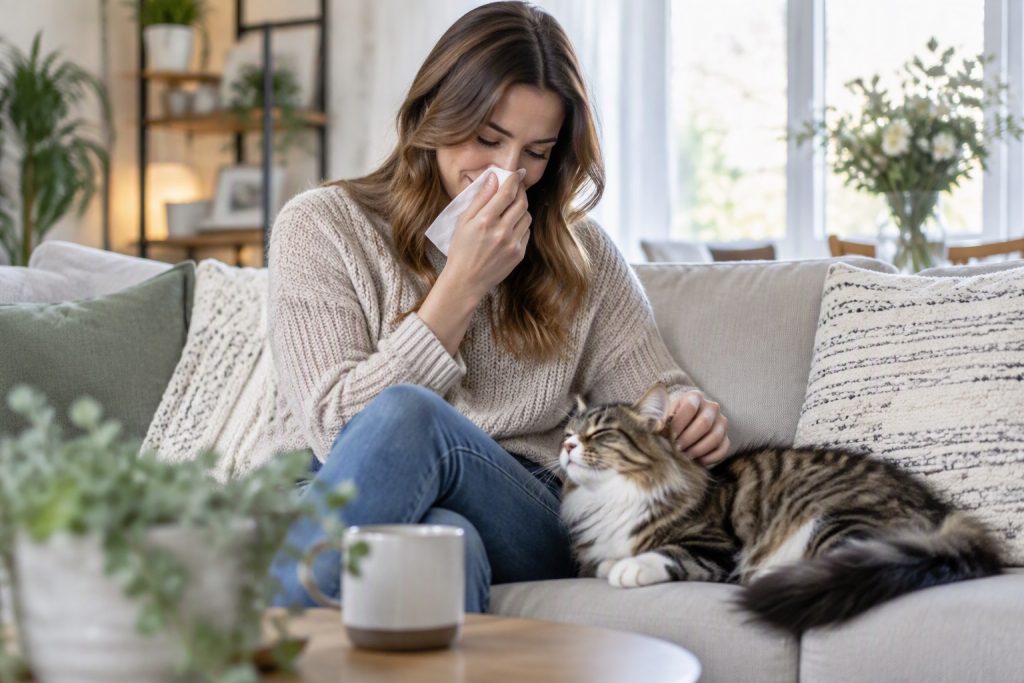
Cat allergies in people are caused mainly by a protein called Fel d 1, which cats produce in their saliva and skin glands and spread onto their fur when grooming. It is not the hair itself that triggers most reactions, which is why there is no truly hypoallergenic cat. What helps is reducing allergen load: grooming and bathing the cat, filtering and cleaning the air and surfaces, keeping the bedroom cat-free, and using medication as advised by a doctor.
- Fel d 1 protein, not hair, causes most reactions.
- No cat breed is genuinely hypoallergenic.
- Grooming, filtering, and cleaning cut the load.
- Keep the bedroom cat-free and see a doctor.
What actually causes cat allergies in people?
The main culprit is Fel d 1, a small protein produced in cats’ saliva, sebaceous glands, and anal glands. Cats spread it over their coat when they groom, and it then sheds into the environment on dander, the tiny flakes of skin, as well as on hair and in saliva. Because the protein is very small and light, it stays airborne for a long time and settles on soft surfaces such as sofas, bedding, and carpets, where it can remain for months. That is why some people react in a house even after the cat has left. Reactions include sneezing, a runny or blocked nose, itchy or watery eyes, coughing, wheezing, and skin rashes. Symptoms vary widely between people and even between cats, since individual cats produce different amounts of the protein. Our article on cat shedding management covers reducing the amount of dander and hair in the home.
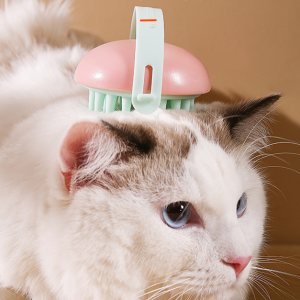
Nail scissors, bath brush, de-shedding glove and a drying towel — the full groom in one box. Cuts…
Which cat breeds are better for allergy sufferers?
No breed is truly hypoallergenic, and any claim otherwise should be treated with caution. That said, some cats produce less Fel d 1 than others, and a few breeds are commonly reported as easier for allergy sufferers. Siberians are often cited because they appear to produce lower levels of the protein, and Balinese and Oriental Shorthairs are sometimes mentioned for similar reasons. Hairless breeds such as the Sphynx are not a solution, since the allergen comes from saliva and skin, not fur, and Rex breeds shed less hair but still produce the protein. Individual variation matters more than breed, so the most reliable approach is to spend time with a specific cat before committing. Even then, reactions can develop over time, and someone who is fine at first may become sensitive later. A doctor’s advice matters more than a breed list.
Does bathing or grooming help?
Yes, grooming and bathing reduce the allergen load in your home, though the effect is temporary. Brushing your cat removes loose hair and dander before it spreads, and doing it regularly, ideally outdoors or in a well-ventilated space, keeps the allergen out of the air you breathe. Wiping the coat with a damp cloth or a pet-safe wipe can also remove surface allergen between baths. Bathing a cat can reduce Fel d 1 on the coat, but the effect fades within days, and many cats find baths stressful, so it is not a realistic frequent solution for every cat. If you do bathe, use a cat-specific shampoo and dry her thoroughly. Having a non-allergic family member do the grooming, or wearing a mask and washing your hands afterwards, reduces your exposure. Our article on cat dandruff treatment covers coat and skin care that reduces flaking. It also helps to keep a dedicated set of clothes for handling the cat, and to change and wash them straight afterwards rather than carrying allergen around the house on your sleeves.
Can air purifiers and cleaning help?
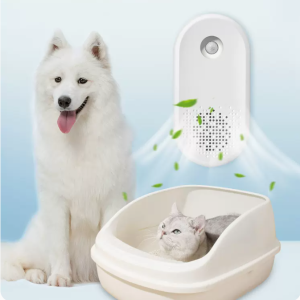
They can help significantly, because allergen control is largely about reducing what is in the air and on surfaces. A HEPA air purifier in the rooms you use most, especially the bedroom, removes airborne particles including dander. Vacuuming with a HEPA-filter vacuum, and doing it often, cuts the allergen that settles into carpets and upholstery, though vacuuming can briefly stir up dust, so a mask helps. Damp-dusting hard surfaces rather than dry-dusting traps the allergen instead of moving it around. Wash bedding, throws, and cat beds frequently in hot water, and choose hard flooring or washable rugs where possible. Keep soft furnishings to a minimum, and consider covering the sofa with a washable throw. Air conditioning and good ventilation help too. No single measure is enough on its own, but together they can reduce symptoms noticeably.
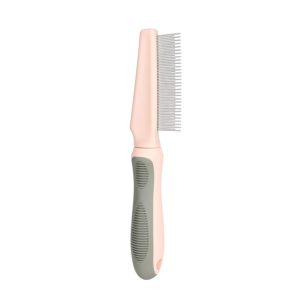
Brush designed to lift loose hair out of a cat's coat — the hair has to go somewhere…
Do allergy shots or medication work?
For many people, yes, and this is a conversation to have with a doctor rather than to solve at home. Over-the-counter antihistamines and nasal steroid sprays help control symptoms for many sufferers, and a doctor can recommend the right option for you. Immunotherapy, given as regular allergy shots or sublingual drops, can reduce sensitivity over time and is the closest thing to a long-term treatment, though it takes months to years and is not suitable for everyone. Some people also benefit from asthma inhalers if their symptoms include wheezing. It is important not to self-medicate long-term without medical advice, and to tell your doctor that the trigger is a cat, since that changes the management plan. If your symptoms are severe, especially breathing difficulty, seek medical help promptly. A doctor can also advise on whether living with a cat is safe for you.
Should I rehome my cat?
Rehoming is a last resort, not a first step. Many people manage cat allergies successfully for years with a combination of grooming, air filtration, cleaning routines, keeping the bedroom cat-free, and medication. Before considering rehoming, speak to a doctor about treatment options and give a structured allergen-reduction plan several weeks to work. If symptoms remain severe, if they include significant breathing problems, or if the plan is not sustainable, then rehoming may genuinely be the right decision, and there is no shame in that. If you do reach that point, work with a reputable rescue or rehoming organisation to find a good home, and give yourself time, because it is an emotionally difficult choice. Do not simply put the cat outdoors, which is unsafe and unfair. For most people, with the right measures, living with a cat and managing allergies is possible. Give a structured plan a fair trial before making any decision you cannot undo, and involve your doctor at every stage so the choice is based on your actual symptoms rather than on how bad they feel on a difficult day.
Frequently asked questions
- Are some cats hypoallergenic? No. Some produce less of the Fel d 1 protein, but no breed is truly allergen-free.
- Is it the cat hair that causes allergies? Mostly no. The main trigger is a protein in saliva and skin, carried on dander and hair.
- Does bathing a cat reduce allergens? It reduces them temporarily, but the effect fades within days and many cats dislike baths.
- Will a HEPA air purifier help my cat allergy? It can, by removing airborne dander, especially in the bedroom.
- Should I get rid of my cat because of allergies? Not before trying treatment and an allergen-reduction plan with your doctor’s guidance.