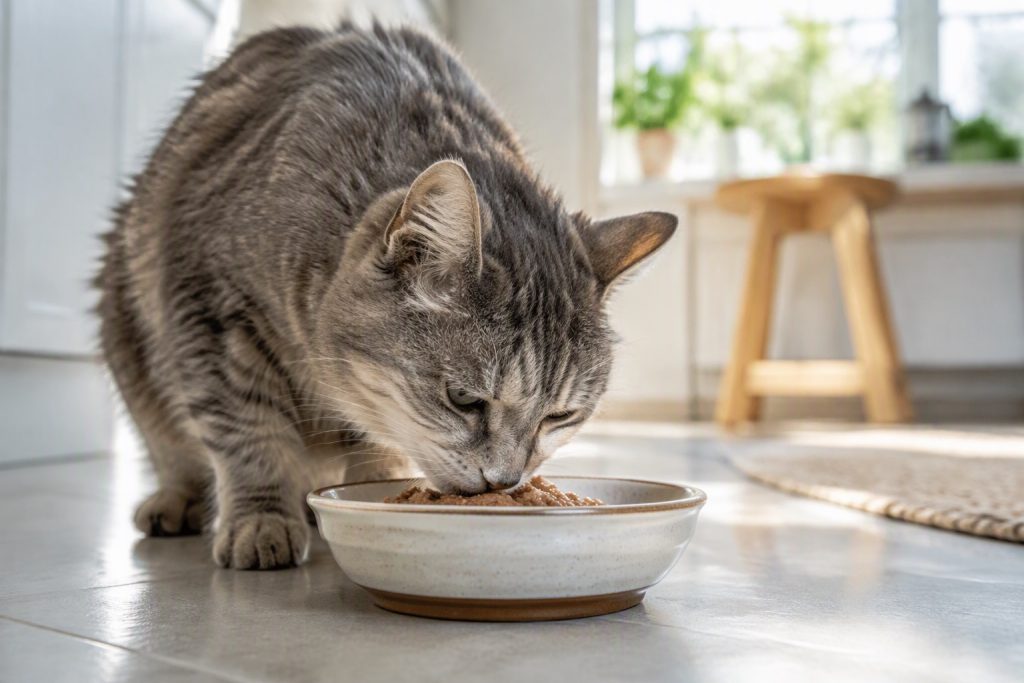
Cats are generally considered senior from around eleven years old, and their nutritional needs shift as they age. Senior cats often need highly digestible protein, more water, and careful portion control, because they lose muscle mass and their kidneys and digestion become less efficient. The right diet depends on your cat’s health, so a vet check and a body condition assessment should come before any major change.
- Cats are usually senior from around eleven.
- Senior cats need digestible protein and more water.
- Weigh her regularly to catch changes early.
- Any diet change should be gradual and vet-guided.
When is a cat considered a senior?
Ageing in cats is gradual, but most vets consider a cat mature from around seven, senior from about eleven, and geriatric from around fifteen. The exact timing varies with breed, lifestyle, and health, and many cats live well into their late teens with good care. What matters more than a number is the changes that come with age: muscle mass declines, kidney function often reduces, digestion becomes less efficient, dental disease becomes more common, and the senses of smell and taste may dull, which can reduce appetite. Older cats also absorb nutrients less effectively and are more prone to dehydration. Because these changes happen slowly, owners often miss them, which is why regular weigh-ins and twice-yearly vet checks are so valuable for older cats. A senior cat who loses weight, drinks more, or becomes fussy about food needs assessment rather than a diet guess. Our article on senior cat care basics covers the wider picture.
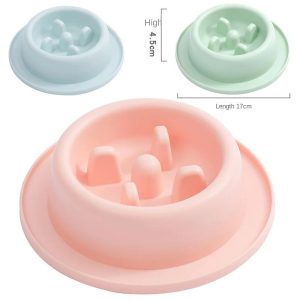
Round bowl with a removable flower insert. Made from PP. Made for daily feeding and fresh water. Keeps…
What changes in a senior cat’s diet?
Several things shift. Protein remains essential, because older cats lose muscle mass and need high-quality, highly digestible protein to maintain it, so the old advice to restrict protein in all senior cats is outdated. Fat may need adjusting depending on weight and activity. Fibre can help with constipation, which is more common in older cats. Water content becomes more important, since seniors are prone to dehydration and kidney issues, so wet food or added water is valuable. Phosphorus control matters for cats with kidney disease, and your vet may recommend a specific renal diet if that is the case. Some seniors benefit from added omega-3 fatty acids for joint and skin health. If your cat has dental disease, softer food may be needed, though you should also address the dental problem. The right combination depends on her individual health, so a vet-guided plan beats a generic senior formula.
How much should I feed a senior cat?
Feed to body condition rather than to a fixed amount on a packet. Senior cats are prone to both weight loss and weight gain, and both are problems: losing muscle mass is serious, and excess weight worsens arthritis and diabetes risk. Weigh your cat regularly, ideally monthly, and assess her body condition by feeling her ribs and spine. You should be able to feel the ribs easily without seeing them, and see a waist from above. Adjust portions gradually based on what you observe, and recheck with your vet. If she is losing weight, increase calories or investigate the cause, since weight loss in an older cat is often a sign of an underlying condition such as kidney disease, hyperthyroidism, or cancer. If she is gaining, reduce portions slowly and increase play. Our article on checking your cat’s weight at home shows a simple routine you can follow.
What about protein, water, and kidney health?
Protein and water are the two pillars of senior nutrition. Older cats need adequate high-quality protein to preserve muscle, but if your cat has kidney disease, your vet may recommend a diet with controlled phosphorus and a moderate, high-quality protein level, because the kidneys struggle to handle the by-products of protein metabolism. This is a delicate balance that should be set by a vet, not guessed at. Water matters enormously: seniors dehydrate faster, and good hydration supports kidney function. Offer wet food, add water to meals, and provide multiple water stations or a fountain. Avoid free-feeding dry food only, since it provides little moisture. If your cat has been diagnosed with kidney disease, follow the prescribed diet closely and do not mix in other foods, because that can undermine the balance. Regular bloodwork lets your vet track kidney values and adjust the plan as needed.
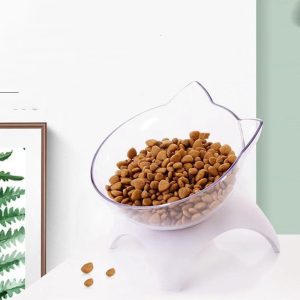
Clear glass bowl holding dry food. Made from plastic. Made for daily feeding and fresh water. Keeps food…
How do I manage weight loss or weight gain?
Weight loss is the more serious of the two in senior cats and should never be dismissed as normal ageing. If your cat is losing weight, book a vet visit, because causes include kidney disease, hyperthyroidism, diabetes, dental pain, inflammatory bowel disease, and cancer. In the meantime, make food more appealing by warming it slightly, offering stronger-smelling options, and feeding smaller, more frequent meals. Check her teeth, since dental pain often stops a cat eating properly. Weight gain is also a problem and worsens arthritis and diabetes risk. Reduce portions gradually rather than sharply, cut back on treats, and increase activity with gentle play. For both, track her weight weekly on the same scale and keep a simple record, because trends matter more than single readings. A vet can help you set a target weight and adjust the diet safely. Do not put a senior cat on a crash diet, since rapid weight loss is dangerous for cats.
When should I ask a vet about diet?
Ask your vet before making any significant diet change, and always if your cat has been diagnosed with a condition such as kidney disease, diabetes, hyperthyroidism, or arthritis. Also book a visit if you notice weight loss or gain, a reduced appetite, increased drinking or urination, vomiting, diarrhoea, constipation, bad breath, or difficulty eating. These signs often indicate a condition that needs a specific diet or treatment, and a generic senior food will not address them. Older cats benefit from vet checks every six months rather than annually, since problems develop faster and are easier to manage when caught early. When you do change food, transition gradually over one to two weeks, mixing increasing amounts of the new food with the old, to avoid digestive upset. And keep your vet informed about everything your cat eats, including treats and supplements. Health topics that persist are always best discussed with your vet. Write down what she eats, how much, and any changes you have noticed, because a simple feeding diary makes the conversation far more productive and helps your vet spot a trend you may have missed.
Frequently asked questions
- At what age is a cat a senior? Most vets consider cats senior from around eleven years old, with mature from about seven.
- Should senior cats eat less protein? No, unless a vet advises it for kidney disease. Older cats need quality protein to keep muscle.
- Is wet food better for senior cats? Often yes, because it raises water intake, which supports kidney health.
- Why is my senior cat losing weight? It can be a sign of kidney disease, hyperthyroidism, dental pain, or cancer, so see your vet.
- How often should a senior cat see a vet? Every six months is ideal, so changes are caught early.