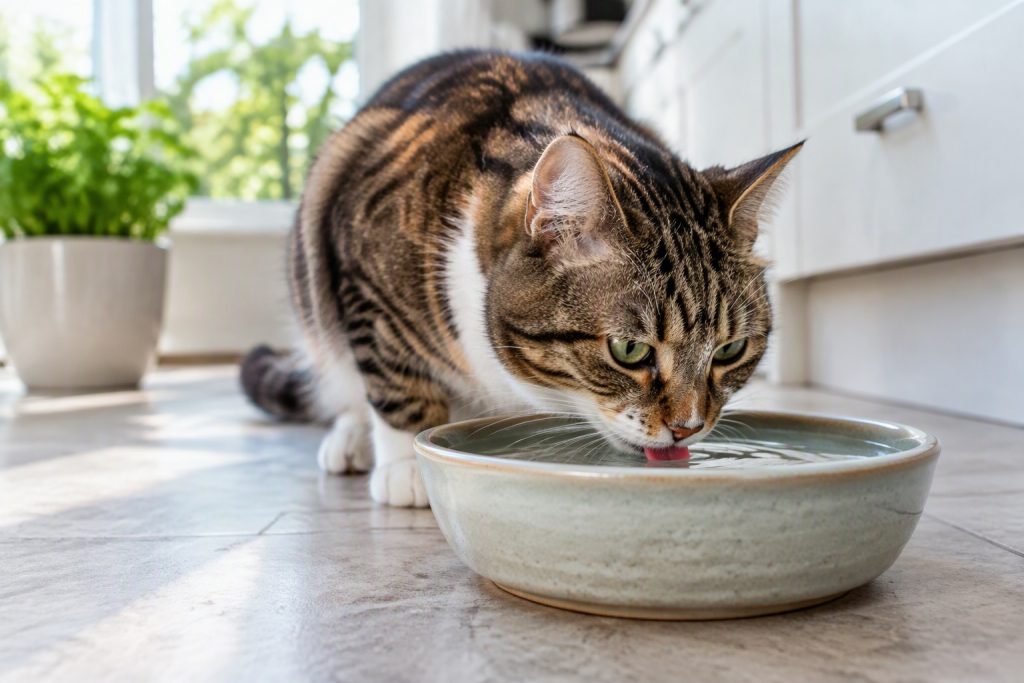
The best ceramic cat water bowl is one that is wide, shallow, heavy enough not to slide, and glazed with a food-safe finish. Ceramic is a good choice because it does not hold odours or bacteria the way scratched plastic can, it keeps water cooler for longer, and its weight stops cats from tipping it over. Look for a lead-free glaze, a wide rim that does not press on the whiskers, and a size that holds enough water for a full day. If your cat drinks little, a ceramic fountain or several bowls around the home help more than any single bowl.
- Wide, shallow, and heavy so it will not tip.
- Lead-free food-safe glaze is essential.
- Ceramic resists odour and keeps water cooler.
- Several bowls beat one, especially for fussy drinkers.
Why choose ceramic over plastic or stainless steel?
Each material has trade-offs, and ceramic sits in a useful middle. Plastic is cheap and light but scratches easily, and those scratches harbour bacteria and can retain odours, which is one reason some cats develop chin acne from a plastic bowl. Stainless steel is durable, hygienic, and easy to clean, but some cats dislike the taste or the noise of a tag or claw against it, and light steel bowls slide across the floor. Ceramic is heavier, so it stays put, and its glazed surface is smooth and non-porous when intact, which makes it hygienic and easy to wash. It also holds temperature better, so water stays cooler in warm weather, which encourages drinking. The one caveat is that a chipped or cracked ceramic bowl should be replaced, because a damaged glaze can harbour bacteria and may expose the clay underneath.
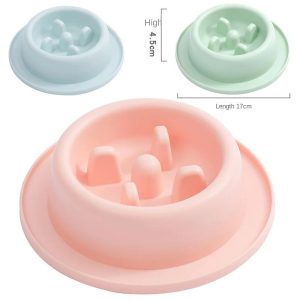
Round bowl with a removable flower insert. Made from PP. Made for daily feeding and fresh water. Keeps…
What size and shape is best for a cat?
Cats have sensitive whiskers, and a deep, narrow bowl forces the whiskers to press against the sides, which many cats find uncomfortable, a phenomenon owners call whisker fatigue. A wide, shallow bowl lets her drink without her whiskers touching anything, and it also keeps the surface of the water accessible. Depth matters less than width for drinking, but a bowl that is too shallow will need constant refilling. A good compromise is a bowl around twelve to fifteen centimetres wide and four to six centimetres deep, with a gentle slope rather than a steep wall. Weight is the other key factor: a heavier ceramic bowl resists a cat who likes to paw at the water before drinking, and a non-slip base stops it sliding across hard floors. If you have more than one cat, provide several bowls in different rooms rather than expecting them to share one.
Does the glaze or material really matter for safety?
Yes, and it is worth checking before you buy. Pottery glazes can contain lead or cadmium, particularly in older, imported, or hand-made pieces, and these can leach into water over time. Choose bowls that are explicitly labelled food-safe and lead-free, and avoid using decorative planters, antique dishes, or anything not intended for food. Once a ceramic bowl is glazed properly, it is inert and does not react with water, which is a real advantage over scratched plastic. Inspect your bowls regularly for chips, cracks, or a crazed surface of fine lines, because any break in the glaze gives bacteria a place to live and can expose the underlying material. Wash ceramic bowls daily with warm water and a mild detergent, rinse thoroughly, and let them dry fully. Avoid abrasive scrubbers, which can dull and damage the glaze over time.
How do I encourage a cat who barely drinks?
Start with placement and number. Cats often prefer water that is away from their food, because in the wild they avoid drinking near a kill, so put a bowl in a quiet corner away from the food station. Offer several bowls in different rooms, and try a wider bowl, since many cats drink more from a shallow, wide dish. Freshness matters enormously, so change the water at least daily, and more often in hot weather or if it collects dust and fur. Some cats prefer running water, and a fountain can dramatically increase intake; a ceramic fountain gives you the hygiene benefits of ceramic with the appeal of movement. Keep the water cool, and add a few ice cubes in summer if she seems to enjoy it. If you are worried about how much she drinks, our article on keeping your cat hydrated has more ideas, and signs of dehydration explains what to watch for.
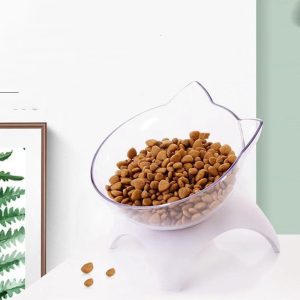
Clear glass bowl holding dry food. Made from plastic. Made for daily feeding and fresh water. Keeps food…
How often should I clean a ceramic bowl?
Water bowls should be washed daily, not just refilled, because a biofilm of bacteria forms quickly on any surface that stays wet, and it is invisible. Wash with warm water and a small amount of mild dish soap, use a soft sponge, and rinse thoroughly so no soap residue remains, since cats are sensitive to smells and tastes. A full deep clean once a week with hot water is a good habit. If you use a fountain, follow the maker’s guidance for the pump and replace filters on schedule, because a dirty fountain is worse than a clean bowl. Dry the bowl before refilling if you can, and keep a spare so you always have a clean one ready. Replace the bowl at the first sign of chips, cracks, or a dull, scratched surface, since hygiene is the whole point of choosing ceramic in the first place.
What if my cat still prefers the tap or the sink?
That is common and it usually comes down to freshness and movement. Cats are drawn to running water because it smells and tastes fresher to them, and standing water in a bowl collects dust, fur, and saliva through the day. If she insists on the tap, a fountain is the obvious answer, since it mimics that movement continuously and is far more convenient than leaving a tap dripping. You can also improve the bowl by changing the water more often, keeping it away from food and litter, and using a wider dish. Some cats simply enjoy the ritual of drinking in the bathroom, so a bowl placed there may get more use than one in the kitchen. If your cat suddenly drinks much more or much less than usual, that is a health signal rather than a preference, and it warrants a vet visit, because changes in thirst can point to kidney disease, diabetes, or thyroid problems.
Frequently asked questions
- Is ceramic better than plastic for cats? Often yes. Ceramic does not scratch and hold bacteria the way plastic can, and it is heavier and cooler.
- How do I know a ceramic bowl is safe? Look for a food-safe, lead-free label, and avoid antique or decorative pieces not meant for food.
- Why does my cat paw at the water bowl? It is a common play or testing behaviour. A heavy, non-slip bowl stops the bowl from tipping.
- Should water be near the food? Many cats prefer it away from food. Offer bowls in several quiet places.
- How often should I wash the bowl? Daily with warm water and mild soap, plus a deeper clean weekly, and replace it if chipped.