

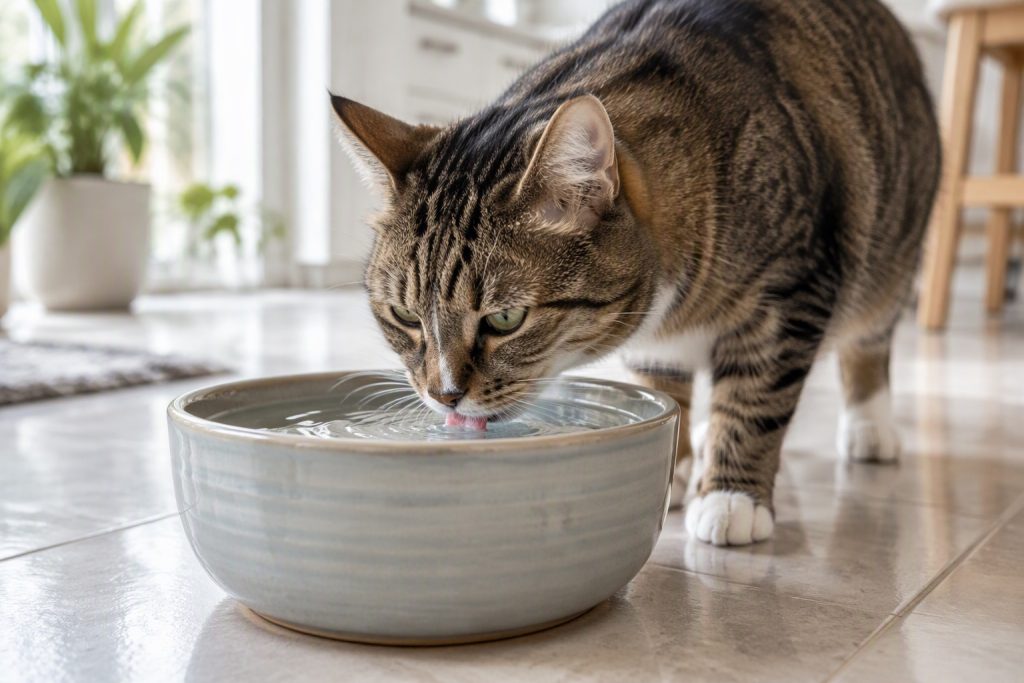
A cat drinking noticeably more than usual is often the first sign of a real medical problem, most commonly kidney disease, diabetes, or an overactive thyroid. It can also follow a switch to dry food, warmer weather, or a new medication, and it can simply reflect a cat who has discovered a running tap. Because increased thirst is one of the most useful early warning signs a cat can give you, any sustained increase is worth measuring and discussing with your vet rather than waiting to see.
- A sudden, sustained increase in drinking needs a vet visit.
- Kidney disease, diabetes, and thyroid problems top the list.
- Dry food, heat, and some medications also raise thirst.
- Measure how much she drinks so your vet has real numbers.
How much water should a cat drink normally?
A healthy adult cat typically drinks roughly the equivalent of one to two small cups a day, though this varies widely with diet, weight, and weather. Cats on dry food drink far more than cats on wet food, because dry food contains only around ten per cent water while wet food is about seventy-five per cent water. A cat who eats mostly wet food may drink very little and still be perfectly hydrated, which is one reason comparing cats is misleading. The reliable signal is change within the same cat: if she suddenly drinks much more than she used to on the same diet, something has shifted. Roughly speaking, a cat drinking more than about one hundred millilitres per kilogram of body weight per day is drinking a lot, but the pattern matters more than any single number. Track it over several days for an honest picture.
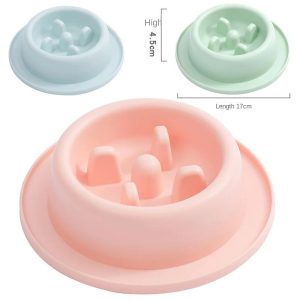
Round bowl with a removable flower insert. Made from PP. Made for daily feeding and fresh water. Keeps…
What medical conditions cause increased thirst?
Three conditions account for most cases. Chronic kidney disease is very common in older cats: damaged kidneys cannot concentrate urine, so the cat loses water and drinks to replace it. Diabetes mellitus causes high blood sugar, which pulls water into the urine and drives thirst and urination up. Hyperthyroidism speeds up metabolism and increases drinking and appetite, often with weight loss despite eating well. Other causes include urinary tract infections, liver disease, some cancers, high calcium levels, and electrolyte imbalances. Any of these benefits enormously from early detection, because treatment is most effective before damage progresses. A single blood and urine test usually identifies which is at work. If your cat is also urinating more, losing weight, or eating differently, mention those details, as they help narrow the diagnosis quickly.
What non-medical reasons make a cat drink more?
Not every thirsty cat is ill. A change from wet to dry food is the most common innocent cause, because she must now drink to meet her water needs. Hot weather, increased activity, and a dry indoor environment all raise intake. Some medications, particularly steroids and diuretics, increase thirst as a side effect. A cat who has discovered a dripping tap, a fountain, or a large dog bowl may simply drink more because it is available and appealing, and some cats drink more after a stressful change such as a new pet or a move. Pregnancy and nursing raise water needs too. If the increase is modest, tied to an obvious change, and she is otherwise bright, eating, and a healthy weight, it may be nothing. But if it persists for more than a few days without explanation, get it checked.
How do I measure how much my cat is drinking?
Measurement is easier than it sounds and gives your vet genuinely useful information. Fill a measured bowl or fountain to a marked level in the morning, keep other water sources out of reach, and top it back up to the mark at the same time each day, noting how much you added. Do this for three or four days and average it. If you have more than one cat, this only works if you can separate them, otherwise watch for which cat visits the bowl most often. Also note how much she urinates and how big the clumps in the litter tray are, since thirst and urination usually rise together. Photograph the litter clumps if it helps. Bring your numbers and the dates to the appointment, and mention any change in food, weather, or medication. Our guide on when a cat is not drinking enough covers the opposite problem.
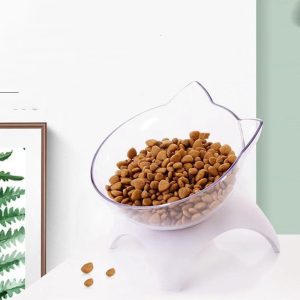
Clear glass bowl holding dry food. Made from plastic. Made for daily feeding and fresh water. Keeps food…
When should I see a vet about increased thirst?
Book an appointment if the increase has lasted more than a few days, if it is dramatic, or if it comes with any other sign: more urination, weight loss, a dull coat, vomiting, diarrhoea, poor appetite, weakness, or bad breath. Urgent care is warranted if she stops eating, vomits repeatedly, seems disoriented, or cannot urinate at all, because a blocked bladder is a life-threatening emergency, especially in male cats. Do not restrict her water in an attempt to reduce drinking; a thirsty cat with kidney or diabetic disease needs that water. Do not switch foods or start supplements hoping to fix it. Bring a fresh urine sample if you can collect one, and a record of how much she drinks. Early blood work is inexpensive compared with treating advanced disease, and many of these conditions are very manageable when caught early. Our article on kidney disease basics explains what the tests look for.
How can I support a cat who drinks a lot?
Once your vet has identified the cause, a few practical steps make a difference. Keep water fresh and available in several places, since cats drink more when water is appealing, and a fountain with moving water often encourages intake. Offer more wet food, which supports hydration without forcing her to drink, and warm it slightly to boost aroma. Keep litter trays clean and plentiful so you can monitor urine output accurately. If she has kidney disease, your vet may recommend a specific diet and regular monitoring; if diabetes, a strict feeding and insulin routine. Never restrict water. Weigh her regularly and keep a simple log of drinking, urination, appetite, and energy, because trends help your vet adjust treatment. With consistent monitoring and veterinary care, many cats with these conditions live comfortably for years.
Frequently asked questions
- Is it normal for an old cat to drink more? It is common but not simply normal ageing. It often signals kidney disease or thyroid problems and should be checked.
- Can dry food make my cat thirsty? Yes. Dry food is low in water, so cats on it drink more than cats on wet food.
- Should I limit my cat’s water? Never. Restricting water is dangerous. Investigate the cause instead.
- What tests will my vet run? Usually blood work and a urine test to check kidneys, blood sugar, thyroid, and electrolytes.
- How much is too much water for a cat? More than about 100 millilitres per kilogram per day, or any clear increase from her own normal, warrants a vet visit.





