

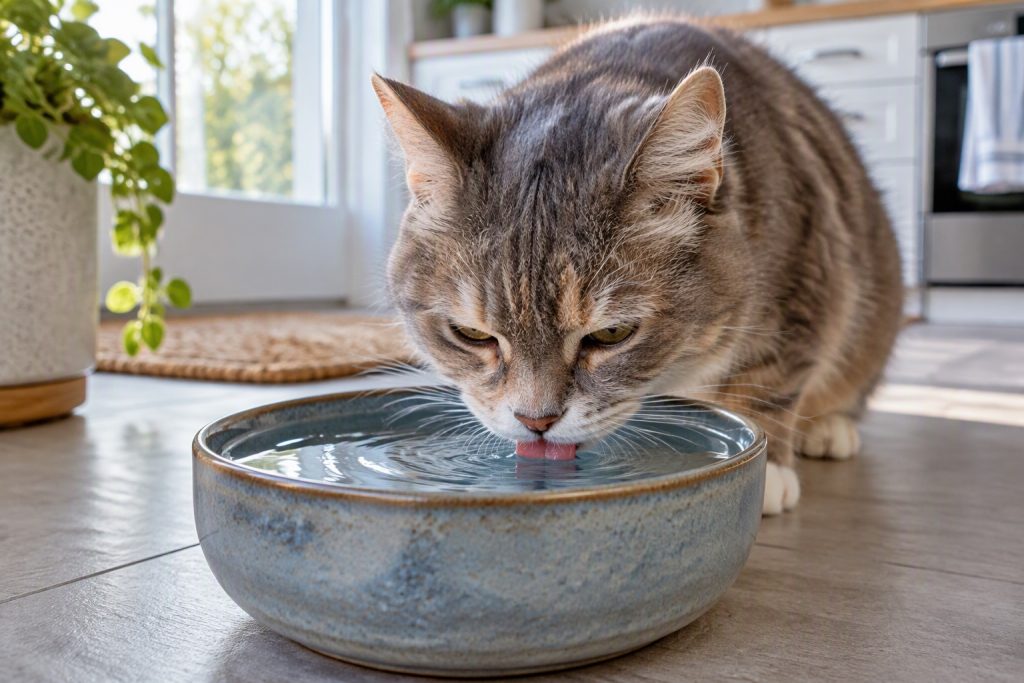
Chronic kidney disease is common in older cats and happens when the kidneys gradually lose their ability to filter waste and concentrate urine. Early signs include increased drinking and urination, weight loss, reduced appetite, and a dull coat. It cannot be cured, but with an appropriate diet, good hydration, and regular monitoring, many cats live comfortably for years after diagnosis, which is why early detection matters so much.
- Common in older cats and usually gradual.
- Watch for more drinking and urination.
- Blood and urine tests confirm it.
- Diet and hydration are the core of care.
What is chronic kidney disease in cats?
The kidneys filter waste products from the blood and regulate water balance, and in chronic kidney disease, the working tissue is gradually replaced by scar tissue over months or years. Because cats can function on a fraction of their kidney tissue, the disease is usually advanced before signs appear, which is why it is often called a silent condition in its early stages. It becomes more common with age, affecting a significant proportion of senior cats, and it is one of the leading causes of illness in older cats. It is a progressive condition, meaning it tends to worsen over time, but the rate varies widely. Some cats decline slowly over many years, while others progress faster. The goal of treatment is not to reverse the damage but to slow it down, manage the symptoms, and keep the cat comfortable and well for as long as possible. Early diagnosis gives you the best chance of doing that.
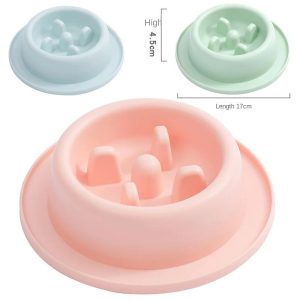
Round bowl with a removable flower insert. Made from PP. Made for daily feeding and fresh water. Keeps…
What are the early signs of kidney disease in cats?
The earliest sign most owners notice is increased drinking and urination, because damaged kidneys cannot concentrate urine, so the cat has to drink more to replace the fluid she is losing. You may find yourself refilling the water bowl more often, or noticing larger or more frequent clumps in the litter box. Weight loss is another common early sign, along with reduced appetite and muscle loss along the spine. Some cats develop a dull, unkempt coat because they groom less, or bad breath with a distinctive odour. Vomiting, mouth ulcers, and lethargy tend to appear later, as waste products build up. Because these signs come on slowly, they are easy to miss or attribute to old age. Our article on the signs your cat is not drinking enough water explains the opposite problem, but a sudden increase in drinking is just as important to act on. If you notice any of these changes, book a vet visit promptly.
How is kidney disease diagnosed?
Diagnosis relies on blood and urine tests alongside a physical examination. A blood panel measures substances such as creatinine and blood urea nitrogen, which rise as kidney function declines, and it checks other values that give a fuller picture. A urine test checks the concentration of the urine and looks for protein, infection, and other abnormalities, because dilute urine is a key sign. Your vet may also measure blood pressure, since high blood pressure is common with kidney disease and can cause further damage, and may recommend an ultrasound or other imaging to look at the kidneys directly. In some cases, a test called SDMA is used, which can detect reduced kidney function earlier than traditional markers. Because these tests together tell a more accurate story than any one result, your vet will interpret them as a whole, often staging the disease to guide treatment. Regular senior blood work is what catches it before signs become obvious.
How is kidney disease managed?
Management focuses on slowing progression and supporting quality of life, and it usually combines several approaches. Diet is the cornerstone: a prescription kidney diet is lower in protein, phosphorus, and sodium, which reduces the workload on the kidneys. Because cats with kidney disease often have a poor appetite, your vet may also recommend appetite stimulants, anti-nausea medication, and treatment for any mouth ulcers. Hydration is critical, so encourage drinking with fountains and wet food, and in many cases your vet will teach you to give fluids under the skin at home. Phosphate binders, potassium supplements, and medication for high blood pressure may also be prescribed. Regular check-ups with repeat blood and urine tests let your vet adjust the plan as the disease changes. Because every cat is different, treatment is tailored to the individual, and the aim is always comfort and stability rather than a fixed protocol. Our guide to keeping a cat hydrated supports this at home.

Clear glass bowl holding dry food. Made from plastic. Made for daily feeding and fresh water. Keeps food…
What should I feed a cat with kidney disease?
The single most important dietary change is usually a transition to a therapeutic kidney diet, which is formulated to reduce the workload on the kidneys by moderating protein, phosphorus, and sodium while still meeting your cat’s nutritional needs. These diets come in wet and dry forms, and wet food is often preferred because it adds moisture. The challenge is that cats with kidney disease are often fussy, and a cat who refuses to eat is worse off than one eating a non-prescription diet, so the transition should be gradual and patient. Introduce the new food slowly, mixing it with the old, and try warming it to make it more appealing. Offer small, frequent meals, and keep food fresh. If your cat will not accept a kidney diet, talk to your vet about alternatives and about managing phosphorus with binders instead. Never restrict protein on your own, because doing it incorrectly can cause muscle loss. Your vet can guide the right diet for your cat’s stage of disease, and can advise on portions and how to transition her safely.
How long can a cat live with kidney disease?
There is no single answer, because survival depends on the stage at diagnosis, how quickly the disease progresses, how well the cat responds to treatment, and how much she is willing to eat and drink. Many cats diagnosed in the early stages live for years with good management, and some live comfortably for a long time with careful support. Cats diagnosed at a more advanced stage may have months rather than years. What is certain is that early detection and consistent care make a real difference, and that quality of life is the most important measure. Focus on the things that show she is comfortable: eating, grooming, interacting with you, and moving around without distress. Keep up with regular vet visits, because adjustments to diet, fluids, and medication can often restore comfort when things slip. Ask your vet to explain what stage your cat is at and what to expect, so you can plan and make decisions with clear information rather than guesswork.
Frequently asked questions
- Is kidney disease in cats painful? The disease itself is not usually painful, but it causes nausea, mouth ulcers, and lethargy that make cats feel unwell.
- Can kidney disease in cats be reversed? No. It is progressive, but treatment can slow it down and keep a cat comfortable for a long time.
- What are the first signs of kidney disease in cats? Increased drinking and urination, weight loss, and reduced appetite are the earliest clues.
- Should I give my cat more water if she has kidney disease? Yes. Encourage drinking and wet food, and ask your vet about subcutaneous fluids.
- What do I feed a cat with kidney disease? A prescription kidney diet is usually best. Transition gradually and ask your vet for guidance.





