

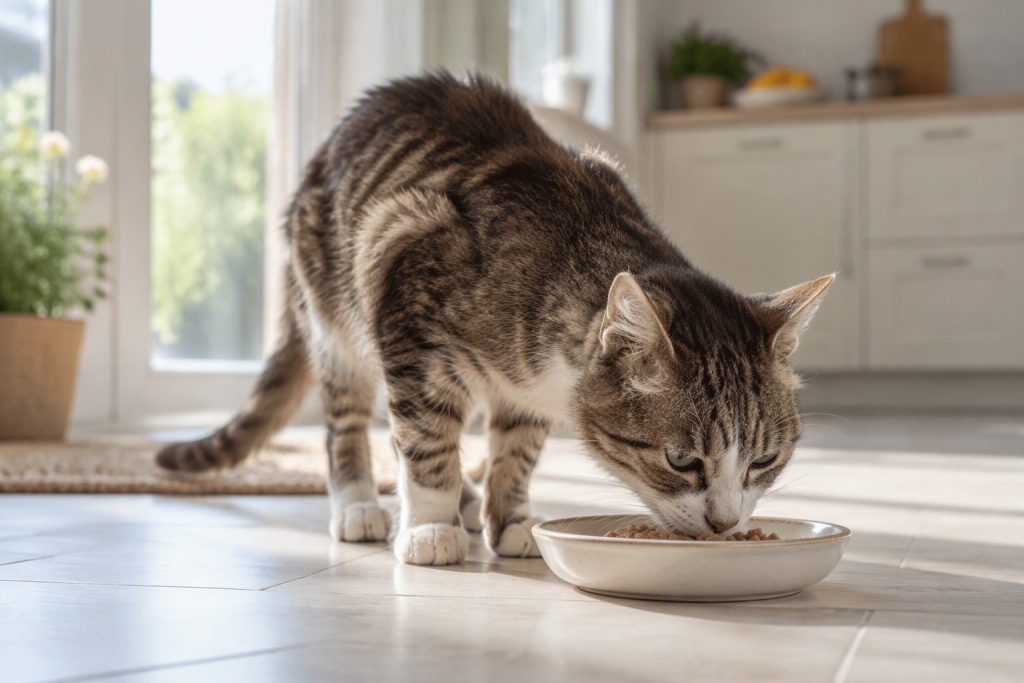
For a cat with an overactive thyroid, diet is usually part of a wider treatment plan rather than a stand-alone cure. Most cats with hyperthyroidism are managed with medication, radioactive iodine, or surgery, and a diet low in iodine can be an effective alternative for some. A cat on thyroid medication does not need a special diet, but she does need good nutrition, plenty of moisture, and support for the kidneys and heart, which thyroid disease can affect.
- Most hyperthyroid cats need medication, iodine therapy, or surgery.
- A low-iodine diet can work for some cats, under veterinary guidance.
- Diet must be strict and exclusive to be effective.
- Support the kidneys, heart, and muscle with good nutrition.
How does diet relate to an overactive thyroid?
Hyperthyroidism is caused by a benign tumour in the thyroid gland that produces too much thyroid hormone, speeding up the whole metabolism. Because the gland uses iodine to make that hormone, restricting dietary iodine can reduce hormone production, and controlled studies have shown that a prescription low-iodine diet can normalise thyroid levels in many cats. The catch is that it only works if the diet is the cat’s sole food source, with no other food, treats, or table scraps, because any iodine from another source defeats it. For cats who can stick to it, it avoids daily medication and the risks of anaesthesia or radioactive treatment. However, not all cats respond, and some dislike the diet. Most cats are still managed with medication or definitive treatment, and diet is one option among several. Your vet will advise which approach suits your cat’s age, kidney function, and other conditions. Our guide on cat hyperthyroidism signs explains the diagnosis.
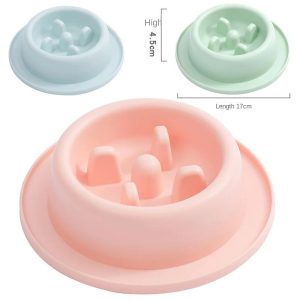
Round bowl with a removable flower insert. Made from PP. Made for daily feeding and fresh water. Keeps…
What should a hyperthyroid cat eat?
If you are using a low-iodine prescription diet, that food must be the only thing she eats, with no other food, treats, or supplements. If she is on medication, she can eat a normal, complete, balanced diet, but choose one that supports her overall health. Hyperthyroidism raises metabolism and often causes muscle loss, so good-quality, highly digestible protein is important to help her rebuild and maintain muscle. Because thyroid disease can mask or worsen kidney disease, and treatment can unmask reduced kidney function, moisture-rich wet food is usually a good choice to support hydration. Control calories to match her new, lower metabolic rate once treatment begins, because many cats gain weight quickly as their metabolism returns to normal. Avoid random supplements, especially iodine-containing ones, and check any treat with your vet. Whatever diet you choose, transition gradually and monitor her weight, appetite, and energy.
Is a low-iodine diet enough on its own?
It can be, but only for cats who eat it exclusively and respond to it. The diet must be the sole source of nutrition, which means no other food, no treats, no scraps, and care in a multi-cat household where she might eat another cat’s food. If she sneaks other food even occasionally, iodine intake rises and the diet stops working. Some cats refuse the diet or develop digestive upset, and some simply do not respond, in which case another treatment is needed. It is also not suitable for every cat, such as those with certain kidney problems, and it is generally not recommended for kittens. Because untreated hyperthyroidism damages the heart, kidneys, and blood pressure, you cannot experiment indefinitely; your vet will monitor thyroid levels and kidney values to check whether the diet is working. If it is not, medication or definitive treatment is the safer route.
What about the kidneys, heart, and weight?
Thyroid disease affects the whole body, so diet must support more than the thyroid. High thyroid hormone drives a fast heart rate and high blood pressure, which can damage the heart and, over time, cause heart failure, so treatment to normalise thyroid levels is essential. The kidneys are equally important, because hyperthyroidism increases blood flow to the kidneys and can hide underlying kidney disease; when thyroid levels are corrected, kidney values may worsen, revealing a problem that was masked. Your vet will monitor blood and urine tests, and may adjust diet to support kidney function if needed. Muscle loss is common because the cat burns her own muscle for energy, so protein quality and calorie adequacy matter. After treatment starts, appetite usually settles and weight rises, so portions need adjusting to prevent obesity. Weigh her regularly and follow your vet’s plan. Our article on cat weight loss causes explains what the loss means.
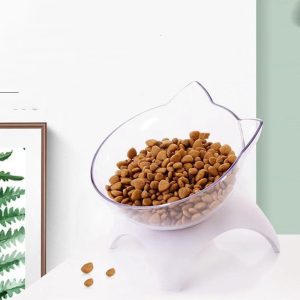
Clear glass bowl holding dry food. Made from plastic. Made for daily feeding and fresh water. Keeps food…
How do I manage a multi-cat household or a fussy eater?
Both are real obstacles. In a multi-cat home, a low-iodine diet only works if the affected cat eats exclusively from it, so you may need to feed cats in separate rooms, use microchip-activated feeders that open only for the right cat, or feed at set times under supervision. Never leave other food out where she can reach it, and make sure other cats cannot eat her prescription food either, since it is not balanced for them long term. For a fussy eater, warm the food slightly to boost aroma, try different textures within the same diet range, and offer small, frequent meals in a quiet place. If she refuses a low-iodine diet entirely, that is important information for your vet, who may recommend medication instead. Never mix diets in an attempt to tempt her, because that breaks the iodine restriction. Appetite problems in a hyperthyroid cat also need veterinary attention.
When should I ask my vet about changing diet?
Ask at diagnosis and again whenever her health changes. Diet decisions for a hyperthyroid cat should always be made with veterinary input, because they interact with medication, kidney function, and heart health. If your cat is losing weight despite eating, refusing food, vomiting, or drinking and urinating more, those are signs to call your vet rather than adjust her food yourself. If you are considering a low-iodine diet, discuss whether she is a suitable candidate, how strict it must be, and how her thyroid and kidney values will be monitored. If she is already on medication and doing well, there is usually no need to change her diet except to support her weight and hydration. Do not give iodine supplements, kelp, or seaweed products, which can worsen the condition. For anything persistent, or before making any significant dietary change, speak to your vet.
Frequently asked questions
- Can diet cure hyperthyroidism in cats? A strict low-iodine diet can control it in some cats, but most are managed with medication or definitive treatment.
- What food is best for a cat on thyroid medication? A normal, complete, moisture-rich diet with good protein and controlled calories, matched to her weight.
- Can I give treats on a low-iodine diet? No. Any other food adds iodine and stops the diet working.
- Will my cat gain weight after thyroid treatment? Often yes, because metabolism slows. Adjust portions and weigh her regularly.
- Should I give kelp or iodine supplements? No. They can make hyperthyroidism worse. Ask your vet before any supplement.





