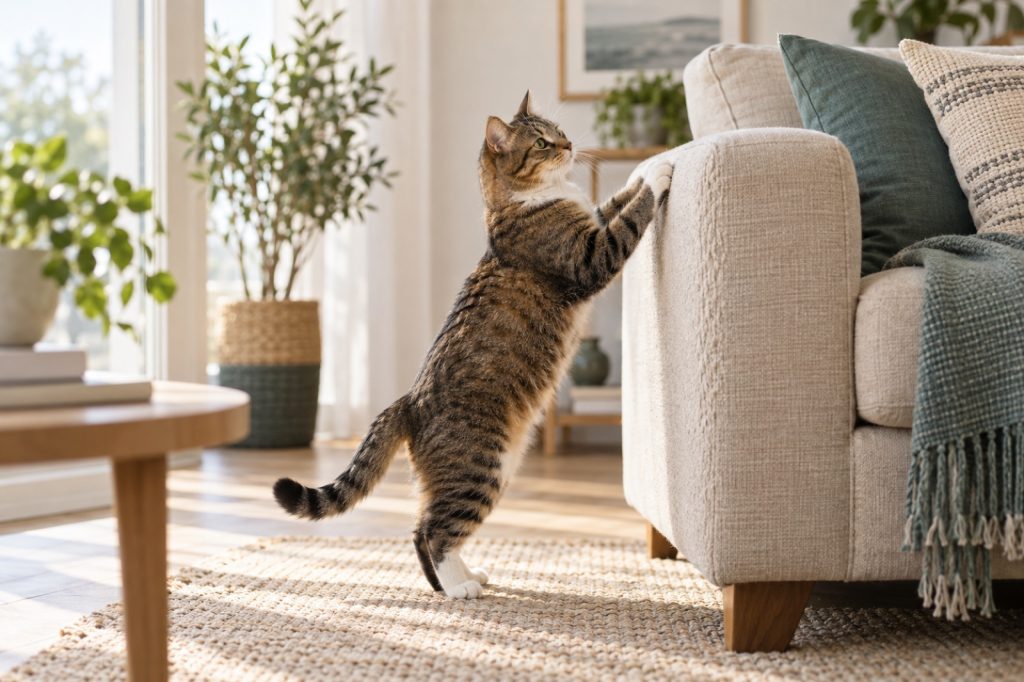
Cats scratch the sofa to shed the outer nail sheath, mark territory with scent glands in their paws, and stretch tight shoulder and back muscles — not out of spite. The three fixes that genuinely work are redirecting her to a tall, stable post placed right beside the sofa, protecting the targeted area while she learns, and keeping her claws trimmed so any damage stays minimal.
- Scratching is normal marking and nail maintenance.
- Put a tall, stable post directly beside the scratched spot.
- Protect the sofa while she builds the new habit.
- Keep claws trimmed to blunt the damage.
Why does my cat scratch the sofa specifically?
The sofa ticks every box a cat cares about. It is large, stable, and does not move when she pulls, which makes it ideal for a full-body stretch. Its fabric holds scent well, so her paw glands leave a clear message for any other cat in the house. It sits in the middle of the living space, which is prime territory to mark. And it is often right where the family gathers, so scratching it doubles as a claim on the busiest room. None of this is personal. She is not angry at you, bored of her toys, or trying to be naughty. She has found a surface that works, and your job is to offer her a better one in the same place. The good news is that a need this predictable is also easy to redirect, once you stop treating it as bad behaviour.
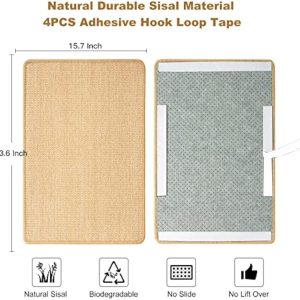
Cat Scratch Pad Cat Scratching Pad With Adhesive Hook Tape Scratching Pads For Indoor Cats Stick On Floor…
Is she doing it to get back at me?
No. Cats do not plan revenge, and they cannot connect a punishment to an act that happened hours earlier. When a cat scratches the sofa right after you leave the room, she is not making a point; she is marking a territory that feels slightly less secure when you are gone. This matters because owners who assume spite often respond with shouting, spray bottles, or shaking cans, and those tactics backfire. They add stress, which increases marking, and they damage the bond that makes training easier. Drop the idea of revenge entirely. Replace it with the assumption that she has a need — stretch, mark, or maintain her claws — and that your task is to meet it somewhere other than your furniture. Cats respond to what works, so give her something that works better.
Fix one — redirect to a post beside the sofa
This is the fix that does most of the work. Buy a tall, heavy-based post with a sisal or dense-carpet surface, and place it directly in front of or beside the arm she targets. Height matters: she must be able to stretch fully upright, so look for at least 60 to 75 centimetres of scratchable surface. Move the post closer to her than the sofa is, so it is the first surface she meets when she walks over. Rub it with a little catnip and reward her the moment she touches it. Our guide to where to put a scratching post covers the ideal spots in more detail. Once she uses the post reliably, you can shift it slightly, but do not rush it. Give her a week of consistent use before you move anything, and reward every scratch on the post with a calm word or a treat.
Fix two — protect the sofa while she learns
While she builds the new habit, make the old one less rewarding. Drape a throw or a fitted cover over the scratched arm, or tape a temporary panel of smooth fabric or double-sided tape over the hot spot, since most cats dislike the tacky feel. Slip a plastic corner guard over the arm if she favours a specific edge. The point is not to punish her but to make the sofa boring and the post satisfying. Keep the protection in place for a few weeks after she stops, then remove it gradually and watch. If she returns to the sofa, the post is probably too short, too wobbly, or too far away, so adjust those before reaching for anything harsher. Most cats give up the sofa once the post is genuinely better than the arm.
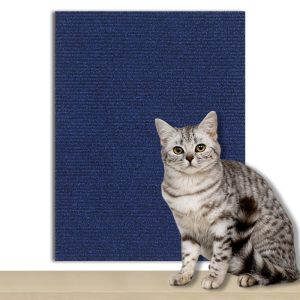
Cat Scratch Furniture Protector, DIY Cat Scratching Mat For Couch, Sofa, Wall,Cat Post,Cat Tree Durable Furniture Guards Couch…
Fix three — trim claws and add a second post
Trimmed claws do far less damage, so aim to clip the clear tips every two to four weeks. This does not stop the scratching, but it turns deep gouges into light marks while you retrain her. Pair that with a second post in another part of the room, because many cats want more than one marking station. If she likes to scratch flat surfaces, add a horizontal cardboard scratcher on the floor nearby. Combining a trimmed claw, a tall post at the sofa, a second post elsewhere, and steady reward is what makes the habit shift. Our guide to stopping scratching on the sofa arm walks through the arm-specific version of this routine. Trim a few claws at a time so the session stays calm, and always end with a reward.
What does NOT work for stopping sofa scratching?
Declawing is not an option: it is a painful amputation that removes the last bone of each toe and causes lasting harm, and it often creates worse behaviour problems, including biting. Punishment is equally ineffective — shouting, spraying water, or shaking a can teaches a cat to scratch when you are not looking and to fear you. Citrus sprays and foil may deter a cat for a day or two, but they fade and do nothing about the underlying need. Removing all scratching posts, or buying only small ones, leaves her no acceptable outlet. The reliable path is always the same: a tall, stable post in the right place, gentle redirection, and patience while the new habit forms. Cats learn by what pays off, so make the post the rewarding choice and the sofa the dull one. Declawing, punishment, and half-measures all fail for the same reason: they do not give her an alternative that works.
Frequently asked questions
- Why does my cat only scratch one sofa arm? That spot holds her scent and is easy to reach. Put a tall post right beside it, since that arm is the strongest marking spot in the room.
- Does covering the sofa stop the scratching? It interrupts the habit while you build a better alternative, but it is a temporary tool. Keep it on for a few weeks after she stops, then remove it slowly.
- Will trimming claws stop her scratching? No, but it greatly reduces the damage while she learns to use a post. Each scratch does less harm as you retrain her.
- Is declawing ever the answer? No. It is a painful, harmful surgery. Redirect to a post instead, since declawing can also lead to biting and litter-box aversion.
- How long until she switches to the post? Most cats convert within a few weeks when the post is tall, stable, and well placed.