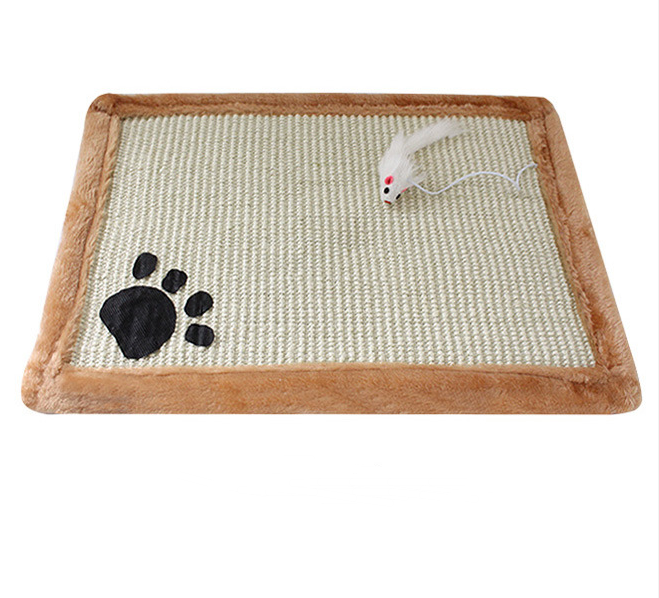
To stop a cat scratching the sofa arm, give her a better scratching target right next to that arm—a sturdy post or cardboard scratcher—and make the sofa itself less appealing with double-sided tape or a washable cover. Reward her for using the post, and never punish; redirect the urge, do not suppress it.
- Place a scratching post or cardboard scratcher directly beside the sofa arm she targets.
- Make the sofa less tempting with double-sided tape or a washable slipcover on the arm.
- Reward her with treats and praise the moment she uses the new target instead.
- Never punish; it breeds fear and she will simply scratch when you are not watching.
Why does my cat target the sofa arm specifically?
The sofa arm is the perfect scratcher by accident: it is at the right height for a full stretch, it is sturdy so it does not wobble, and it sits in the heart of the room where your cat wants to leave her scent and claim territory. Understanding the motive is key, and our piece on why cats scratch the sofa explains it fully. She is not rebelling; she is fulfilling a need to stretch, shed claw sheaths, and mark her space. A dedicated scratcher placed exactly where she already scratches is the only fix that respects the instinct. If you remove the sofa and offer nothing, she picks the next best thing—your chair, your curtains. The arm wins because it combines location and stability, so beat it at its own game by putting a better, more satisfying target right beside it and making the fabric itself unpleasant to touch for a while.
What scratching surface should I put next to the sofa?
Match the texture she loves on the sofa. If she rakes fabric, a sisal post gives a firm, resistant pull that satisfies the stretch; if she digs into the soft arm, a corrugated cardboard scratcher may be the closer match. A vertical post at the same height as the arm lets her replicate the exact motion she enjoys. The new target must be stable—wobble is the number one reason cats reject a post and return to the sofa—so weight the base or brace it against the wall. Place it touching the sofa so the choice is effortless; cats take the nearest legal option. Rub catnip on it and drop treats at the base to invite use. Within days she should prefer the post, because it feels better under her claws than fabric and carries her scent, which is the real prize she was after on the sofa arm all along.
How do I make the sofa arm unappealing?
Make the arm physically unpleasant without harming the cat or the furniture. Double-sided sticky tape designed for this purpose works brilliantly—cats hate the cling on their paws and avoid it after one or two tries. A washable slipcover or a thrown blanket over the arm adds a barrier she finds unrewarding to claw. A citrus or bitter pet-safe spray on the arm deters many cats, though reapply often. The trick is to combine the deterrent with a better target beside it, because blocking alone just moves the problem. Our post-placement guide ensures the alternative is convenient. Never use punishment or physical startling, which erodes trust and often worsens the behaviour when you leave the room. Sticky, covered, and scented-unpleasant is enough; pair it with the post and the sofa arm loses its charm naturally within a week or two of consistent setup.
Should I trim her claws to reduce the damage?
Trimming blunts the tips and reduces the shredding power, which protects the sofa while you train her to the post, but it does not stop the urge to scratch. A good sisal post still does the real behavioural work. Keep claws trimmed every two to three weeks with proper cat clippers, taking only the clear tip and avoiding the pink quick. A combination of trimming and redirection gives you the fastest peace, because even if she scratches the arm, blunt claws do far less damage. Do not declaw—it is amputation that causes lifelong pain and behaviour problems, and it is banned in many places for good reason. Soft plastic nail caps are an option some owners use short-term, but they require careful application and the cat’s tolerance. The sustainable answer remains: blunt tips plus a post she prefers, so the sofa stops being the victim while her instincts stay fully satisfied and healthy.

A kitty curls cat toy - foldable accordion cat scratcher withball - magic organ cat scratch.
How do I reward and train the new habit?
Cats repeat what pays off, so make the post the source of good things. The instant she scratches it, offer a treat, verbal praise, and a quick play session so the behaviour is reinforced. A well-sited post makes this easy because she encounters it naturally. Use a clicker or a consistent word the moment her paws hit the post, then reward, building a clear association. A catnip-rubbed post draws her in initially, but the treat cements the habit. Avoid scolding when she hits the sofa; instead, silently redirect her paws to the post and reward there. Consistency over a couple of weeks rewires the routine: she learns the post is where scratching earns approval and the sofa earns nothing. Once the habit is set, you can relax the rewards, but keep the post available and maintained, because a worn-out or moved post will send her straight back to the comfy sofa arm she never truly forgot.
What if she keeps going back to the sofa?
Persistence usually means the replacement is not good enough yet. Check that the post is stable, the right height, and actually beside the arm—not across the room where convenience wins for the sofa. Review our placement tips and the material comparison to refine the target. A second post in another favourite room prevents her relapsing there. Reapply the sticky tape, because cats test boundaries once the stickiness fades. Ensure you are not accidentally rewarding sofa scratching by giving her attention—even negative attention—when she does it; some cats accept any notice. Stay patient for three to four weeks, because deep habits take time to replace. The cats that succeed are the ones whose owners made the legal option more rewarding and the illegal one consistently boring, so double down on both halves of that equation rather than giving up and accepting ruined furniture as inevitable fate.
Frequently asked questions
- Will a scratching post really save my sofa? Yes, if it is stable, correctly placed beside the arm, and paired with a sofa deterrent.
- Is double-sided tape safe on fabric? The pet-specific tape is designed to peel off cleanly, but test a hidden spot first.
- Should I use a cardboard or sisal scratcher? Match her preference; many cats like both, so offer one of each near the sofa.
- How long until the habit breaks? Most cats switch within two to four weeks of consistent redirection and rewards.