The best dental treats for cats are those that carry a recognised veterinary oral health claim, have a texture that actually scrubs the tooth surface, and are low enough in calories to fit her daily allowance. Treats help reduce plaque and tartar on the chewing teeth, but they do not replace brushing or professional cleaning. Choose a treat your cat will chew rather than swallow whole, and one that suits her dental health and weight.
- Look for a recognised veterinary oral health claim.
- Texture matters: she must chew, not swallow whole.
- Treats supplement brushing, they do not replace it.
- Keep treats within about ten per cent of daily calories.
Do dental treats actually work for cats?
They can help, but only modestly and only with the right product. Dental treats work by mechanically abrading the tooth surface as the cat chews, removing some soft plaque before it hardens into tartar. The effect is real but limited to the teeth that are used for chewing, and it does nothing for the area below the gumline, where periodontal disease actually causes damage. Treats carrying a recognised veterinary oral health claim have been tested to show a measurable reduction in plaque or tartar, which is the strongest evidence available. Treats that are swallowed whole, or that are too soft, do little. So think of dental treats as a helpful supplement to daily brushing and regular professional care, not a substitute. For a cat who will not tolerate brushing, they are better than nothing, and they add a little value alongside other dental measures. Our article on cat dental chews compares the options.
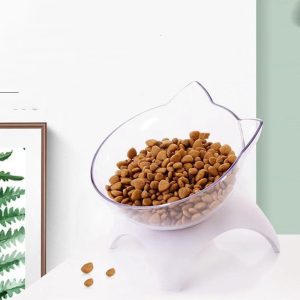
Clear glass bowl holding dry food. Made from plastic. Made for daily feeding and fresh water. Keeps food…
What should I look for in a dental treat?
First, look for a veterinary oral health claim on the packaging, which indicates the product has been tested and meets a recognised standard. Second, consider texture: the treat should require real chewing, with a shape and firmness that lets the tooth sink in and scrape along the surface, rather than shattering immediately or being soft enough to swallow. Third, check the size relative to your cat’s mouth, since a treat that is too large is awkward and one that is too small is swallowed whole. Fourth, review the ingredients and calorie content, because many dental treats are high in calories and can contribute to weight gain if fed freely. Fifth, consider your cat’s dental health: a cat with missing teeth, gum disease, or a sore mouth may find hard treats painful, so ask your vet first. Finally, pick something she actually likes, since a treat she refuses helps no one.
Are hard treats safe for a cat with dental problems?
Not always, and this is where owners often get caught out. A cat with advanced periodontal disease, loose teeth, a fractured tooth, or a resorptive lesion, which is a painful condition common in cats, may be in significant discomfort, and hard treats can make it worse or cause further damage. Similarly, a cat recovering from dental treatment or extractions should avoid hard food and treats until healed. If your cat drops food, chews on one side, drools, has bad breath, or flinches when her mouth is touched, have her assessed before giving hard treats. For cats who cannot tolerate hard textures, soft dental products, dental gels, water additives, and brushing are better options. Never use a hard treat to try to clean a diseased mouth, because it addresses nothing and can cause pain. When in doubt, ask your vet what is safe for your cat’s specific situation.
How many dental treats can I give a day?
Treats should make up no more than about ten per cent of your cat’s daily calories, including dental treats, and that limit applies whether or not they have a dental benefit. For most cats that means a small handful at most, and for a cat on a weight-loss plan, even less, or none at all until she reaches a healthy weight. Always reduce her main meal slightly to account for the treats, so her total calorie intake stays stable, and measure rather than guessing. Feeding several dental treats at once does not multiply the benefit, because the effect comes from chewing action, so one or two after a meal is enough. If your cat has diabetes, kidney disease, or another condition requiring a controlled diet, check with your vet before adding any treat. A treat that undermines her weight or her medical management is not worth the small dental gain. Our guide to cat teeth cleaning explains the bigger picture.
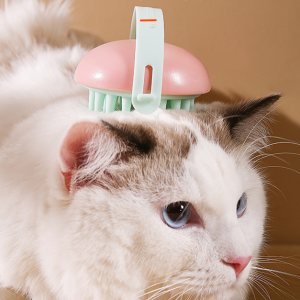
Nail scissors, bath brush, de-shedding glove and a drying towel — the full groom in one box. Cuts…
How do dental treats fit with brushing and cleanings?
They are a supporting act, not the main event. Daily brushing remains the most effective home measure, because it removes plaque before it hardens, and it reaches surfaces that treats cannot. Professional cleanings under anaesthesia are the only way to remove tartar and treat disease below the gumline. Dental treats slot in between: they help control plaque on the chewing teeth on days when brushing is difficult, and they give a cat who hates the toothbrush some dental benefit. A practical routine is to brush most days, offer a dental treat as part of her daily allowance, and keep up annual veterinary checks with professional cleaning when recommended. Relying on treats alone, especially in a cat with existing disease, gives a false sense of security. If you notice bad breath, red gums, drooling, or difficulty eating, treat it as a sign that professional assessment is needed, whatever treats you are using.
What if my cat will not chew dental treats?
Some cats bolt treats whole or refuse hard textures, and for them dental treats are largely useless. Try a different shape or size, or offer the treat when she is calm and likely to chew rather than gulp. If she still swallows them whole, switch to alternatives: a vet-approved dental gel or sealant applied to the teeth, a water additive, a dental diet with a suitable kibble shape, or simply more brushing. For cats who will not accept any dental product, the priority is regular veterinary checks, because professional cleaning will be the main way to control disease. Keep an eye on her mouth at home, checking for bad breath, red or bleeding gums, and tartar along the gumline, and report changes early. Never force a hard treat on a cat who cannot chew it, and never assume that because she eats without obvious pain her mouth is healthy, since cats hide dental pain well.
Frequently asked questions
- Do dental treats really clean cats’ teeth? They reduce some plaque and tartar on the chewing teeth, but they do not replace brushing or professional cleaning.
- What makes a dental treat effective? A recognised oral health claim and a firm texture that makes the cat chew rather than swallow.
- Can dental treats cause weight gain? Yes, if fed freely. Keep all treats under about ten per cent of daily calories.
- Are hard treats safe for cats with gum disease? Not always. A cat with dental pain may be harmed by hard textures. Ask your vet first.
- How many dental treats should I give? One or two after a meal, counted within her daily treat allowance, is usually plenty.