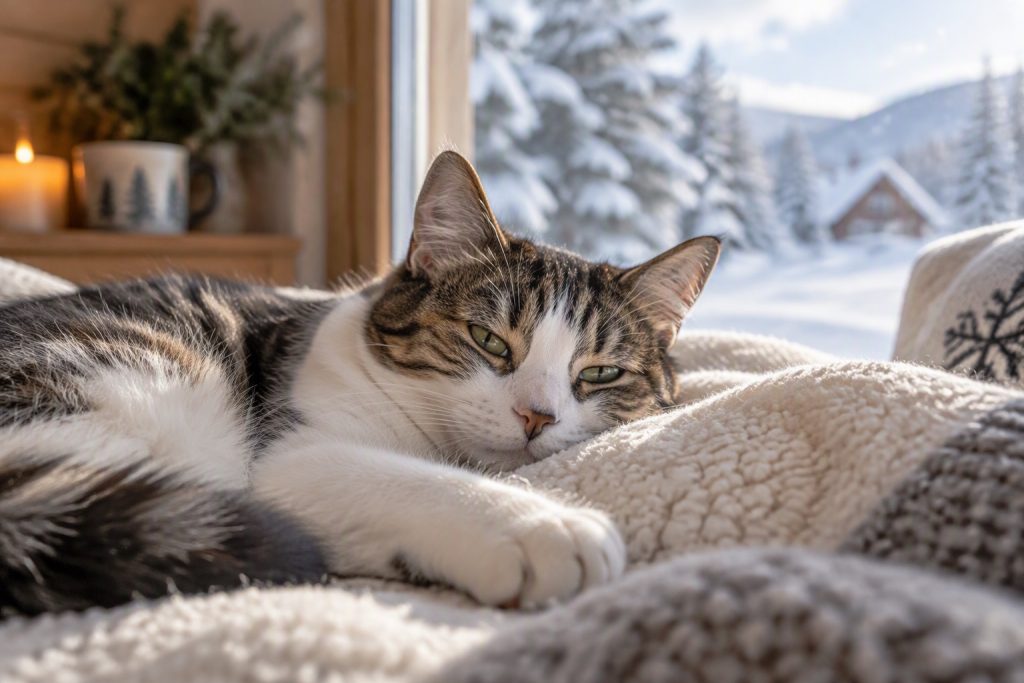
Keeping a cat warm in cold weather comes down to three things: a draught-free place to rest, gentle supplemental warmth, and enough food and water to fuel her own heating. Cats tolerate cold better than many owners assume, but older, thin, ill, or very young cats lose heat quickly and need help. The goal is not to make your home tropical but to give her a warm, safe, low-level heat source she can choose or leave at will.
- Block draughts and give her one reliably warm resting spot.
- Offer gentle heat she can step away from, never a trap.
- Older, thin, and ill cats feel the cold most and need more help.
- Keep water moving and food generous in cold months.
How cold is too cold for a cat?
Cats are generally comfortable at the same room temperatures we are, roughly eighteen to twenty-two degrees Celsius, and most healthy adults cope fine a little below that. Problems begin when the temperature drops near freezing, when there is a draught, or when a cat is wet, elderly, very thin, or unwell. A cat’s coat insulates but does not waterproof or generate heat, so a cold, damp, draughty spot pulls warmth out of her body faster than she can replace it. Indoors, the risk is less about absolute temperature and more about cold floors, single-glazed windows, and rooms that are heated only part of the day. Watch for hunched posture, tucked paws, a tucked tail, shivering, or a cat who suddenly wants to sit on you constantly. If she is showing those signs, she is telling you she is cold and needs a warmer option.
A thickened cloth bed is stepped into rather than climbed over. Try it near the window first, then…
What are the best ways to keep an indoor cat warm?
Start with draught control. A door snake, a heavier curtain over a cold window, and closing off unused rooms make an enormous difference to how warm a cat feels without raising the thermostat. Next, give her one guaranteed warm bed in a quiet, sheltered spot, ideally slightly off the floor where cold air pools. A self-warming mat that reflects her own body heat is a good low-risk choice, while a low-voltage heated pad adds active warmth. A cardboard box lined with a fleece blanket is still one of the most effective cat warmers ever invented. Finally, keep her moving: a short play session with a wand toy raises her body temperature and keeps her muscles and circulation working. A cat who is warm, well fed, and has somewhere soft to sleep will stay comfortable even in a house that is not especially well heated. Together these simple steps keep most indoor cats comfortable through winter without any special equipment.
Do older cats need different cold-weather care?
Yes, and noticeably so. Senior cats often carry less fat, have thinner coats, and struggle more to regulate temperature, and arthritis makes cold, stiff joints far more painful. A cold snap can turn a mildly sore hip into a cat who will not jump up to her usual spot. Give older cats a low-sided, well-padded bed they can walk into rather than leap into, place it somewhere warm and draughty-free, and consider gentle heat such as a covered warm pad. Keep her food and water close so she does not have to travel across cold floors, and raise bowls slightly if bending is hard. Warmth plus soft, supportive padding is the single best comfort measure for an arthritic senior. Our guide on the best bed for an older cat goes into the details.
How do I keep her warm at night and when I am out?
The safest approach is passive warmth rather than anything that could overheat or be chewed while you are away. A self-warming mat, a deep fleece-lined bed, or a covered box in a warm room gives her a reliable spot without any mains risk. If you use a heated pad, choose a low-voltage or microwave-heated type and place it under a blanket so she can move off it if she gets too warm. Never leave a hot water bottle wrapped only in thin fabric where she could lie against it and burn herself. Close curtains before dusk to trap heat, and leave an interior door open so she can reach a warmer room. If your home gets very cold overnight, a thermostat set to a minimum background temperature is kinder than a cold house. Cats cope well when they always have somewhere warm to retreat to.
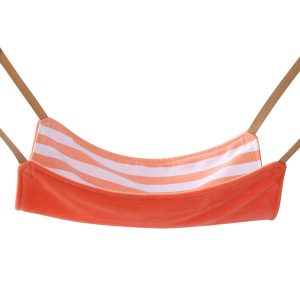
Cervical pillow, plush hammock, floor mat and paw cushion — four places to nap. Gives a cat a…
What about food, water, and outdoor cats in winter?
Cold weather increases calorie needs slightly, so a thin or older cat may benefit from a little more food or a richer diet over winter, though weight should be monitored rather than allowed to creep up. Water is easy to overlook: cats drink less when they feel cold, and outdoor bowls freeze, so offer moving water indoors and check bowls regularly. If your cat goes outside, bring her in well before dusk, provide a sheltered, dry, raised retreat if she spends time outdoors, and never leave her out in freezing or wet weather. Wipe wet paws and dry her coat when she comes in. Outdoor cats face real risks from antifreeze, salt, and car engines, so supervised time or an indoor routine is far safer once temperatures drop. For older cats, pair warmth with the broader routines in our senior cat care basics.
What are the warning signs of a cat being too cold?
Mild cold shows as hunching, tucked paws, a wrapped tail, shivering, and a strong preference for laps and radiators. As it worsens, a cat may become quiet, reluctant to move, and cool to the touch, especially at the ears, paws, and tail. In serious cases she may seem drowsy, weak, or unsteady, which is an emergency and needs immediate veterinary care. Cold can also worsen existing conditions, so a cat with kidney disease, heart disease, or arthritis may decline faster in winter. If your cat is shivering indoors in a normal-temperature room, feels cold despite a warm environment, or is unusually lethargic, treat it as a health concern rather than a comfort issue and call your vet. Shivering indoors, cool ears and paws, and a reluctance to move are all reasons to act rather than wait. For anything persistent, always seek professional advice.
Frequently asked questions
- Can indoor cats get too cold? Yes, especially older, thin, or unwell cats, and in draughty or intermittently heated rooms.
- Is a hot water bottle safe for cats? Only wrapped in thick fabric and never where she can lie directly against it, because of burn risk.
- Should I put a jumper on my cat? Most cats dislike clothing, but a thin, well-fitted coat can help a hairless or very old cat.
- Do cats need more food in winter? Slightly more energy is reasonable, but monitor weight rather than free-feeding.
- How do I know if my cat is too cold? Hunching, tucked paws, shivering, and constant heat-seeking are the early signs; drowsiness or weakness needs a vet.