

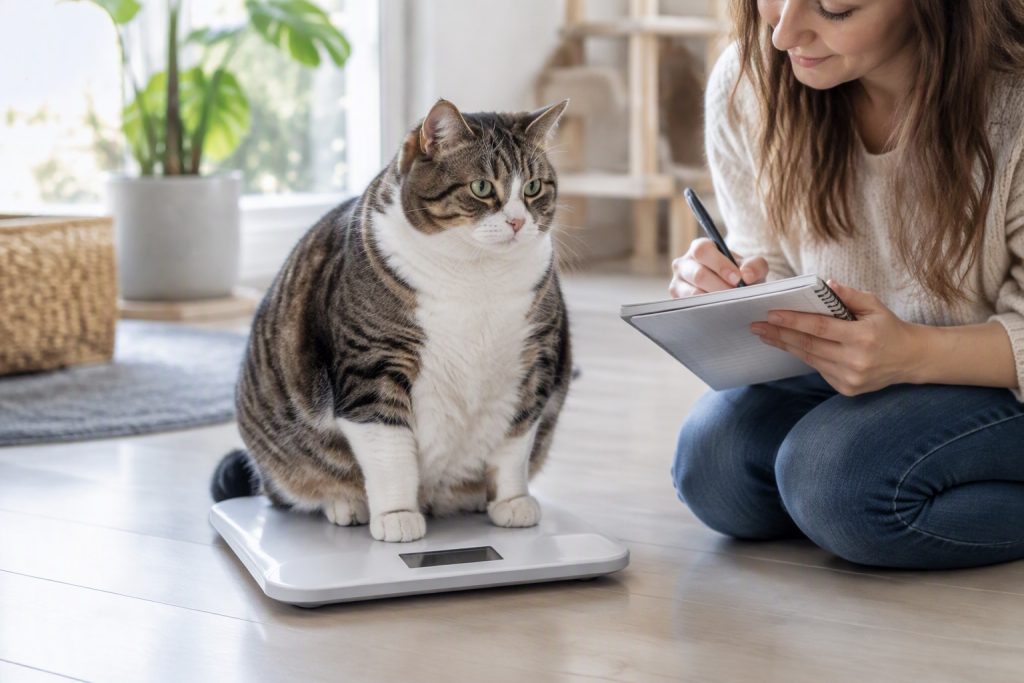
A cat gaining weight is almost always eating more calories than she burns, but the reasons behind that imbalance vary. The most common causes are free-feeding, treats and table scraps, a sedentary indoor lifestyle, and a slowed metabolism after neutering or with age. Occasionally weight gain reflects a medical problem such as fluid retention or a thyroid issue, so a sudden or unexplained change should be checked by a vet before you assume it is simply overfeeding.
- Free-feeding and treats are the usual culprits.
- Neutering and age slow metabolism and calorie needs.
- Indoor, inactive cats burn far fewer calories.
- Sudden unexplained gain needs a vet check.
Why is my cat gaining weight?
Weight gain happens when calories in exceed calories out, and in cats that usually means the food supply is more generous than it needs to be. Free-feeding dry food is the single biggest contributor, because dry food is calorie-dense and a cat who nibbles all day can easily eat far more than she needs without you noticing. Treats add up quickly, since a few treats can equal a significant share of a cat’s daily calories, and table scraps and human food add more. A sedentary indoor life compounds the problem, because a cat who no longer hunts or roams burns very little energy. Neutering reduces energy requirements by roughly a fifth, and metabolism slows further with age, so a cat eating the same amount as before will gradually gain. Measuring food, limiting treats, and increasing activity addresses most cases.
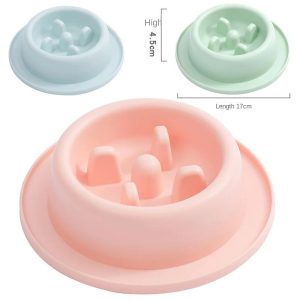
Round bowl with a removable flower insert. Made from PP. Made for daily feeding and fresh water. Keeps…
How do I know if my cat is actually overweight?
Body condition matters more than the number on the scale. Run your hands along her sides: you should be able to feel her ribs easily under a thin layer of fat, see a visible waist when viewed from above, and feel a slight tummy tuck from the side. If you cannot feel the ribs without pressing, if the waist has disappeared, or if there is a pendulous belly, she is carrying extra weight. Weigh her regularly on a baby scale or by weighing yourself holding her, and track the trend, since a steady increase matters more than any single reading. A vet can assign a body condition score and confirm whether the gain is genuine fat or something else, such as fluid. If the gain has been rapid or is accompanied by other changes, get it checked. Our guide on checking your cat’s weight at home walks through the method.
What medical conditions cause weight gain in cats?
Genuine medical causes of weight gain are less common than overfeeding, but they exist. Fluid retention from heart disease or other conditions can look like weight gain and is serious. Hypothyroidism is rare in cats, though it occurs, and it slows metabolism and causes weight gain and lethargy. Some cats gain weight after being treated for hyperthyroidism, because their metabolism returns to normal and they suddenly need fewer calories. Steroid medications increase appetite and can cause fat redistribution. Pregnancy is an obvious cause in an unneutered female. A cat who gains weight rapidly, who has a bloated or distended abdomen, or who seems unwell alongside the gain should be seen promptly. Blood work and a physical exam distinguish these from simple overfeeding, and the distinction matters for treatment. Never restrict food drastically without veterinary guidance.
How many calories does my cat actually need?
An average adult indoor cat needs roughly twenty to twenty-five calories per kilogram of ideal body weight per day, though this varies with age, activity, and neuter status. A typical healthy ten-pound cat may need around two hundred calories a day, but an inactive or older cat needs less, and a young, active cat needs more. The catch is that calorie needs are based on ideal weight, not current weight, so an overweight cat should be fed for the weight she should be, not the weight she is. Check the calorie content on your food, since dry foods vary enormously, and measure portions with a scale or a proper measuring cup rather than estimating by eye. Treats should stay under about ten per cent of daily calories. Recheck her weight every two to four weeks and adjust slowly. Our article on how much to feed a cat has detailed guidance.
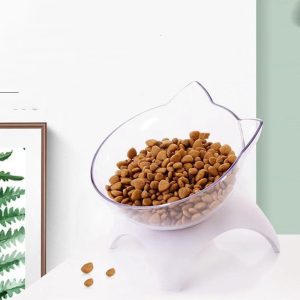
Clear glass bowl holding dry food. Made from plastic. Made for daily feeding and fresh water. Keeps food…
How do I help my cat lose weight safely?
Slow and steady wins. Reduce portions gradually, aiming for a loss of roughly one to two per cent of body weight per week, because rapid weight loss in cats is dangerous and can trigger hepatic lipidosis, a serious liver condition. Switch to measured meals rather than free-feeding, and use a weight-loss or light diet formulated to keep her full while cutting calories. Replace some dry food with wet food, which is lower in calories by volume and higher in water. Use puzzle feeders and treat balls to slow eating and add activity. Increase play with wand toys in short, frequent sessions, and make her work for food by hiding portions around the house. Weigh her regularly and involve your vet, who can set a target and monitor progress. Never starve a cat or put her on a crash diet.
How do I prevent weight gain in the first place?
Prevention is easier than reversal. Measure food every day rather than filling a bowl, and account for treats by reducing the main meal accordingly. Feed set meals at set times, which also makes it easier to notice changes in appetite. Choose a diet appropriate to her age and activity, and adjust the amount as she ages or after neutering, since her needs will drop. Encourage daily play and provide climbing opportunities, window perches, and puzzle feeders so she moves more without you having to schedule exercise. Keep her mentally engaged, because boredom contributes to overeating. Weigh her monthly and record it, so you catch a slow upward drift early. If you have multiple cats, feed them separately so one does not eat another’s food. A little routine and measurement prevents most feline weight gain, and it protects her joints, heart, and long-term health far better than any diet started after the weight has already piled on.
Frequently asked questions
- Why is my cat gaining weight on the same food? Her calorie needs likely fell, often after neutering or with age, so the same portion is now too much.
- Can treats make my cat fat? Yes. Treats can add a large share of daily calories. Keep them under about ten per cent.
- Is it normal for cats to gain weight after neutering? Common but not inevitable. Adjust portions and activity to match her lower needs.
- How fast should a cat lose weight? About one to two per cent of body weight per week, under veterinary guidance.
- Could weight gain be a medical problem? Sometimes. Fluid retention, medication, and rare thyroid issues can cause it, so a sudden gain should be checked.





