

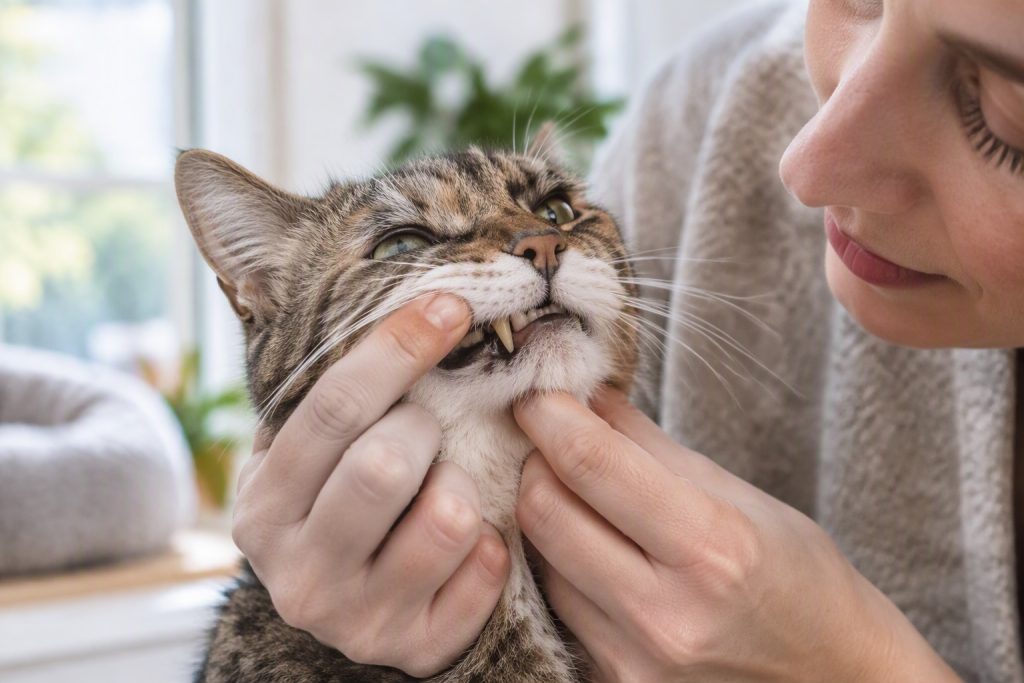
Bad breath in cats is often caused by dental disease, but it can also be one of the first signs of kidney disease. When the kidneys stop filtering waste efficiently, toxins build up in the blood, and one effect is an ammonia-like or metallic odour on the breath. Other signs include increased thirst and urination, weight loss, reduced appetite, and lethargy. Because kidney disease is common in older cats and is easier to manage when caught early, persistent bad breath should always prompt a vet visit, especially in a cat over seven.
- Dental disease is the most common cause of bad breath.
- Kidney disease can cause an ammonia-like odour.
- Increased thirst and urination are key signs.
- Persistent bad breath needs a vet, especially in seniors.
How does kidney disease cause bad breath?
The kidneys filter waste products from the blood and remove them in urine. When kidney function declines, waste products such as urea accumulate, and this build-up can produce an ammonia-like or metallic smell on the breath. The condition is called uraemia, and it can also cause mouth ulcers, which contribute to the odour and make eating painful. Kidney disease in cats is often chronic and develops slowly, so the changes can be subtle at first. Bad breath may appear alongside other early signs, including drinking more, urinating more, and losing weight. Because cats are good at hiding illness, and because early kidney disease can be detected on blood and urine tests before obvious symptoms appear, routine check-ups for older cats are valuable. The breath change alone is not a diagnosis, but it is a genuine reason to have your cat assessed, especially if she is a senior.

Round bowl with a removable flower insert. Made from PP. Made for daily feeding and fresh water. Keeps…
What other signs of kidney disease should I watch for?
Kidney disease produces a recognisable pattern of signs, though not every cat shows all of them. Increased thirst and increased urination are the classic early signs, and you may notice larger clumps in the litter box or your cat seeking water more often. Weight loss and a reduced appetite follow as the condition progresses, and some cats become picky about food or stop eating altogether. Lethargy, a dull coat, and dehydration are common, and you may see vomiting, especially in the mornings, and mouth ulcers. In advanced cases, cats can develop a characteristic stance with a hunched back and may seem depressed. Because these signs overlap with other conditions, such as hyperthyroidism and diabetes, a vet needs to run tests to distinguish them. If you notice several of these together, especially in an older cat, book an appointment rather than waiting for them to worsen.
Is dental disease a more likely cause?
Yes, statistically. Dental disease is the most common cause of bad breath in cats, and it is extremely common in adults. Plaque and tartar build up on the teeth, gums become inflamed, and the result is gingivitis or periodontitis, which produces a strong, often foul odour. Cats with dental disease may also drool, eat on one side of the mouth, drop food, or refuse hard food, and they may paw at their face. The smell of dental disease tends to be more “rotten” or “foul,” while the smell associated with kidney disease is often described as ammonia-like or metallic. However, the two can occur together, and cats with kidney disease are also prone to dental problems. This is why a vet examination is important: it can reveal dental disease that needs treatment, and it can also check whether the kidneys are involved. Our article on cat bad breath covers the dental side in more detail.
How is kidney disease diagnosed?
A vet diagnoses kidney disease using a combination of blood tests and urine tests, alongside a physical examination and a history of symptoms. Blood tests measure waste products such as creatinine and urea, and they can also show electrolyte imbalances. A urine test checks the concentration of the urine and looks for protein, which is an important marker of kidney damage. Because a cat’s urine concentration can be affected by other factors, vets often combine several results to get a clear picture. They may also measure blood pressure, since high blood pressure is common with kidney disease, and they may recommend imaging such as ultrasound to look at the kidneys themselves. The earlier the condition is detected, the more options there are for managing it, which is why routine screening for older cats, often once or twice a year, is so valuable. Our article on cat kidney disease basics explains the stages.

Clear glass bowl holding dry food. Made from plastic. Made for daily feeding and fresh water. Keeps food…
What can be done if kidney disease is found?
While chronic kidney disease cannot be cured, it can be managed, and many cats live comfortably for a long time with the right care. Management usually centres on diet, hydration, and regular monitoring. A vet may recommend a prescription kidney diet that is lower in phosphorus and controlled in protein, which reduces the workload on the kidneys. Keeping your cat well hydrated is important, and some cats benefit from added water in their food or from fluids given under the skin at home. Your vet may also prescribe medication to control blood pressure, manage nausea, or support the kidneys, and they will want to monitor blood and urine regularly to track the condition. Dental care matters too, because dental disease adds to the body’s burden. Weight, appetite, and hydration are tracked closely, and adjustments are made as needed. Early detection makes all of this more effective, which is why the breath change is worth acting on.
How can I protect my cat’s kidney health?
You cannot prevent all kidney disease, but you can support kidney health. Keep your cat well hydrated by offering wet food, fresh water in several places, and a fountain if she likes running water, because good hydration supports kidney function. Feed a balanced, appropriate diet for her life stage, and keep her weight in a healthy range. Avoid unnecessary medications and toxins, and never give human painkillers, which can damage the kidneys. Schedule regular wellness checks, especially after age seven, and ask your vet to include kidney screening in the routine bloodwork. Keep an eye on her litter box habits and water intake, because changes there are often the first clue. Treat dental disease promptly, since chronic inflammation affects overall health. Finally, if you notice bad breath, increased thirst, weight loss, or a reduced appetite, have her checked sooner rather than later, because early management makes the biggest difference.
Frequently asked questions
- Can bad breath be a sign of kidney disease in cats? Yes. Kidney disease can cause an ammonia-like or metallic breath odour, along with other signs.
- Is bad breath more likely dental or kidney related? Dental disease is more common, but a vet needs to examine your cat to tell them apart.
- What are the early signs of kidney disease? Increased thirst and urination, weight loss, reduced appetite, and lethargy are the common early signs.
- Can kidney disease in cats be treated? It cannot be cured, but it can be managed with diet, hydration, medication, and monitoring.
- How often should older cats be screened? Many vets recommend wellness checks with blood and urine tests once or twice a year after age seven.





