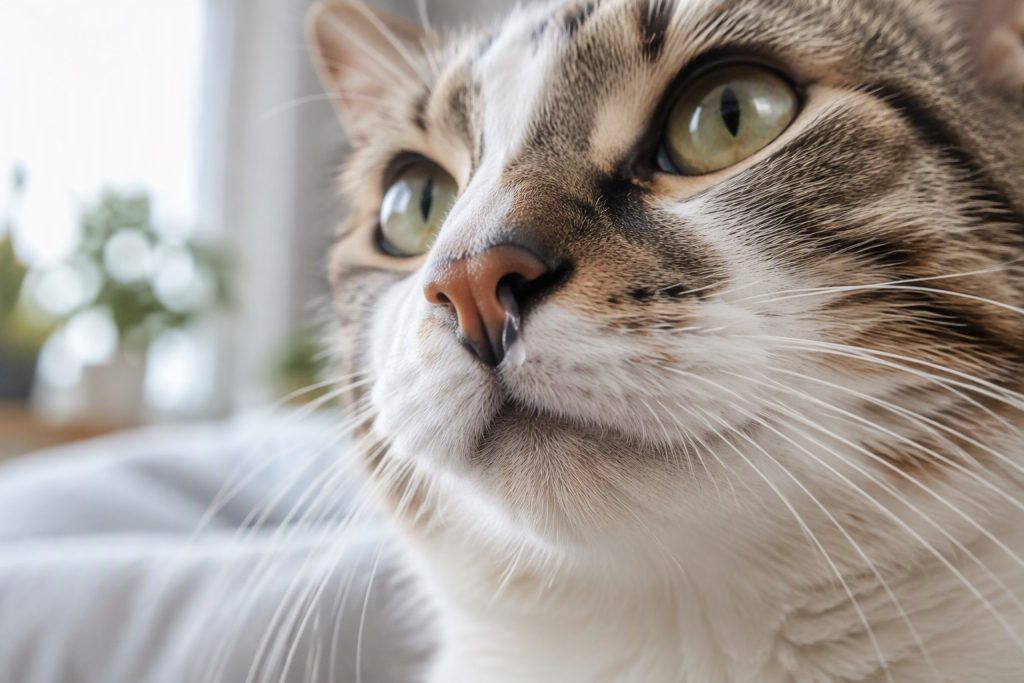
A runny nose in cats is most often caused by an upper respiratory infection, which can be viral, bacterial, or both, and is especially common in kittens and in cats from multi-cat environments. Allergies, irritants such as smoke and strong scents, a foreign body, dental disease, and nasal polyps are other causes. A clear, occasional discharge in an otherwise well cat may settle on its own, but a thick, coloured, or bloody discharge, or a runny nose with sneezing, lethargy, or appetite loss, needs a vet.
- Upper respiratory infection is the most common cause.
- Allergies and irritants also cause a runny nose.
- Clear discharge in a well cat may settle.
- Thick, coloured, or bloody discharge needs a vet.
What causes a runny nose in cats?
The most common cause is an upper respiratory infection. These are usually viral, often caused by feline herpesvirus or calicivirus, and they frequently involve the eyes and throat as well as the nose. Bacterial infections can follow a viral one, producing a thicker, coloured discharge. Kittens, unvaccinated cats, and cats in shelters or multi-cat homes are most at risk. Allergies are the next common cause, and they usually produce a clear, watery discharge with sneezing, often seasonally or in response to dust, pollen, or mould. Environmental irritants such as cigarette smoke, scented candles, aerosols, and strong cleaning products inflame the nasal lining and cause a runny nose. Less common causes include a foreign body such as a grass seed, dental disease affecting the nasal cavity, nasal polyps, and in older cats, growths. Because the causes range from mild to serious, the character of the discharge and your cat’s general health are the key clues.

A breathable plastic grooming tool takes the undercoat first, which is where matting starts. Try it after a…
When is a runny nose serious?
See a vet if the discharge is thick, yellow, green, or bloody, because that suggests infection rather than a simple irritation. Also seek care if the runny nose comes with sneezing, eye discharge, a loss of appetite, lethargy, fever, or difficulty breathing, since these indicate a cat who is unwell rather than just snuffly. A cat who stops eating because she cannot smell her food is a particular concern, because cats rely on smell to eat and can become weak quickly. Kittens, senior cats, and cats with other health conditions should be seen sooner, because they have less reserve. A runny nose that lasts more than a few days, or that keeps returning, also needs investigation. If your cat is breathing through her mouth, making noisy sounds when breathing, or seems distressed, treat it as urgent. Our article on when cat sneezing is worth worrying about helps you judge severity.
How do I tell an infection from an allergy?
The pattern and the discharge help. Allergy-related runny noses are usually clear and watery, often come with sneezing and itchy, watery eyes, and may be seasonal or triggered by dust, pollen, or a change in the environment. The cat usually stays bright, eats normally, and has no fever. Infection-related runny noses tend to be thicker and coloured, often affecting both eyes as well as the nose, and they usually come with a cat who feels unwell, is quieter, eats less, and may have a fever. Infections are also more likely to develop suddenly and to worsen over a few days, while allergies tend to fluctuate with exposure. There is overlap, and a cat can have both, because allergies can make the nose more vulnerable to infection. If you are unsure, or if the symptoms are not settling, a vet can examine the cat and, if needed, test for specific causes.
What can I do at home to help?
You can make her more comfortable while she recovers. Keep her warm, quiet, and away from draughts, and make sure she keeps eating and drinking, because appetite loss is the biggest risk. Warm her food slightly to increase its aroma, which helps a cat with a blocked nose want to eat, and offer strong-smelling wet food. Keep her nose clean by gently wiping away discharge with a soft, damp cloth, and use a humidifier or take her into a steamy bathroom for a few minutes to ease congestion. Remove irritants such as smoke, scented products, and dusty litter. Never give human cold or flu medications, because several are toxic to cats, and do not use human nasal sprays or decongestants. If she is not eating, or if she seems to be getting worse, contact your vet rather than continuing home care. Vaccination is the best protection against the viral causes, and our guide on cat vaccinations explains the core vaccines.
Nail scissors, bath brush, de-shedding glove and a drying towel — the full groom in one box. Cuts…
How is a runny nose treated?
Treatment depends on the cause. For a viral infection, there is no cure for the virus itself, so care focuses on supporting the cat through it with fluids, nutrition, and keeping the nose and eyes clean, while the immune system does the work. Antibiotics are used only if there is a bacterial infection, which a vet will assess, and they will not help a purely viral problem. For allergies, the approach may include antihistamines prescribed by a vet, avoiding the trigger, or managing the underlying allergy. A foreign body needs to be removed, and dental disease needs treatment. Nasal polyps or growths may require imaging and possibly surgery. Because the treatment differs so much by cause, self-diagnosing rarely works. A vet can examine the nasal passages, check the eyes and mouth, and decide whether tests are needed. Most simple infections resolve with supportive care, but the underlying cause should always be identified when symptoms persist.
How can I prevent a runny nose in the future?
Prevention starts with vaccination, which reduces the severity and frequency of the viral infections that cause most runny noses. Keep your cat’s vaccines up to date, especially if she goes outdoors or lives with other cats. Reduce environmental irritants by keeping the home smoke-free, avoiding heavily scented products, and using dust-free litter. Manage allergies if your cat has them, since untreated allergies make the nose more vulnerable. Keep her indoors where possible, since outdoor cats encounter more infectious cats and more irritants. Support general health with good nutrition, fresh water, and regular veterinary check-ups, because a healthy cat fights infection better. If your cat has recurring runny noses, work with your vet to find the underlying cause rather than treating each episode in isolation. Managing the root cause is far more effective than repeatedly managing symptoms.
Frequently asked questions
- Is a runny nose in cats contagious? Viral and bacterial causes are contagious between cats. Keep an affected cat away from others until she recovers.
- Can allergies cause a runny nose in cats? Yes. Allergies often produce a clear, watery discharge with sneezing and itchy eyes.
- Should I give my cat human cold medicine? Never. Several human cold and flu medicines are toxic to cats. Ask your vet instead.
- My cat has a runny nose but is eating. Do I need a vet? If the discharge is clear and she is well, monitor closely. Coloured discharge or any decline needs a vet.
- How long does a cat cold last? Mild viral infections often settle in about a week to ten days, but see your vet if it worsens or persists.