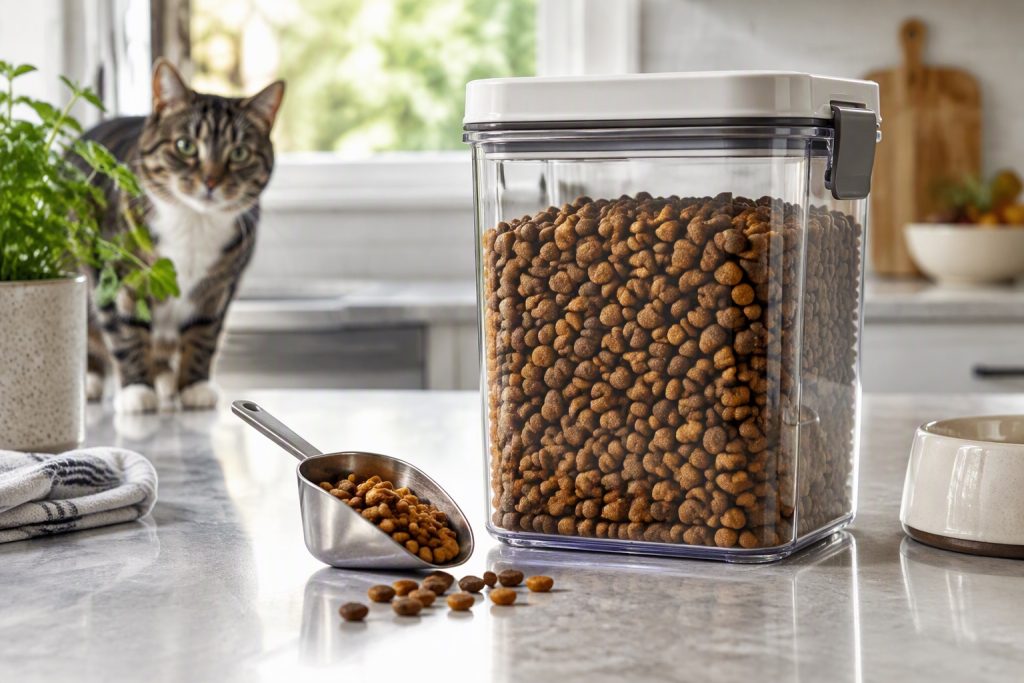
A good cat food storage container keeps kibble fresh, airtight, and safe from pests, moisture, and light. Look for an airtight seal, food-grade material, a size that matches how quickly you use the food, and a design that is easy to clean. Storing food in its original bag inside a sealed container, or transferring it to a well-sealed bin and using it within a few weeks, keeps it at its best.
- Airtight seals keep kibble fresh.
- Choose food-grade, easy-clean material.
- Match size to how fast you use food.
- Keep the original bag and its date.
Why does cat food storage matter?
How you store dry cat food affects its freshness, safety, and nutritional value. Once a bag is opened, kibble is exposed to air, which causes fats to oxidise and go rancid, and to moisture, which can make food stale or encourage mould and bacteria. Light and heat speed up this deterioration, and pests such as insects and rodents are attracted to an open bag. Poor storage also means you may not notice spoilage until your cat refuses to eat. Dry food has a long shelf life when sealed, but once opened it is best used within a few weeks, and its quality declines over time. Keeping food in a proper container protects it from all these factors and helps you track how much you have left. It also keeps the feeding area tidy and makes measuring portions easier, which supports sensible feeding. Our article on cat food storage covers the wider principles behind keeping food safe.
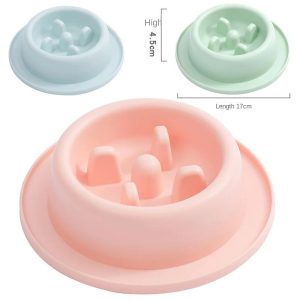
Round bowl with a removable flower insert. Made from PP. Made for daily feeding and fresh water. Keeps…
What should I look for in a food storage container?
The seal is the most important feature. An airtight container with a gasket or a locking lid keeps air and moisture out far better than a simple clip or a bag folded over. Choose food-grade material, which will not leach chemicals into the food, and avoid containers that previously held cleaning products or chemicals, since residues can linger. A clear or partly clear body lets you see how much food is left, though you should still store the container out of direct light. Size matters: a container that is too large leaves lots of air space and lets food go stale before you finish it, while one that is too small means frequent refills and more exposure. Consider a container with a wide opening for easy scooping and cleaning, and a scoop that measures consistently. Some designs have wheels or stackable shapes for convenience. Finally, check that the lid is easy to open and close securely, since a loose lid defeats the purpose.
Is plastic or glass better for storing cat food?
Both can work, and each has trade-offs. Food-grade plastic containers are lightweight, durable, affordable, and available in many sizes, which makes them the most common choice. The key is to choose one designed for food, since some plastics can absorb odours and oils over time, and scratched plastic can harbour bacteria and smells. Glass containers are non-porous, do not absorb odours or chemicals, and are easy to clean thoroughly, but they are heavy, breakable, and often only available in smaller sizes, which suits treats or small amounts rather than a large bag of kibble. Stainless steel is another good option: it is durable, non-porous, and easy to clean, though you cannot see the contents. Whatever the material, the seal and cleanliness matter more than the type. Wash the container regularly with mild soap and water, dry it completely before refilling, and replace it if it becomes scratched or retains a stale smell.
How big should a food storage container be?
Match the container to your cat’s consumption rate, not to the biggest bag you can find. The goal is to finish the food while it is still fresh, so a container that holds about two to four weeks of food is a sensible target for most single-cat homes. If you buy large bags, consider keeping the bulk of the food sealed in its original bag in a cool, dark place and decanting only a few weeks’ worth into the container. This limits how often the whole supply is exposed to air. In a multi-cat household, a larger container may be appropriate because food is used faster. Avoid oversized containers that leave a large headspace of air, and avoid tiny containers that force constant refilling. Also think about where the container will live: it should be in a cool, dry, dark spot, away from the cooker, radiator, and damp, since heat and moisture are the enemies of freshness. A well-sized container is easier to manage and keeps food better.
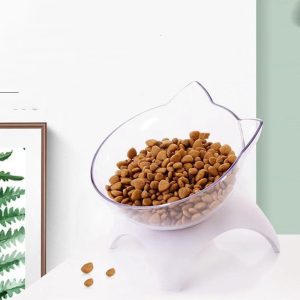
Clear glass bowl holding dry food. Made from plastic. Made for daily feeding and fresh water. Keeps food…
How do I keep stored food fresh?
A few habits keep dry food at its best. Keep the food in its original bag inside the container, or transfer it and note the best-before date on the container, so you always know how old it is. Store the container in a cool, dry, dark place, away from heat sources and sunlight, and never in a damp cupboard or next to the bin. Wash and dry the container between refills, and avoid topping up old food with new, which mixes fresh and stale kibble; instead, use up what is there before adding more. Keep the lid sealed after each use, and use a clean, dry scoop. Check the food for signs of spoilage, such as a stale or sour smell, discolouration, or clumping, and discard it if in doubt. For wet food, refrigerate opened cans in a covered container and use within a day or two. Our article on how much to feed a cat helps you plan portions so food is used before it goes stale.
Do I need a separate container for treats and wet food?
Yes, separating them is sensible. Treats and dry food have different use rates and shelf lives, so storing them together risks one going stale while you work through the other. A small, airtight container for treats keeps them fresh and makes it easy to control portions, which matters for weight management. Wet food is a different case entirely: once a can or pouch is opened, it should be transferred to a covered container, refrigerated, and used within about a day or two, and it should never be stored in the dry food bin. Keeping wet and dry separate also prevents moisture from the wet food affecting the kibble. Label containers so everyone in the household knows what is inside and when it was opened. If you buy food in bulk, keep the sealed surplus in its original packaging in a cool, dark place and refill the smaller container as needed. Good organisation keeps everything fresh and makes feeding simpler.
Frequently asked questions
- Can I store cat food in its original bag? Yes, but reseal it well and consider placing the bag inside an airtight container.
- How long does opened dry cat food stay fresh? Around four to six weeks if kept airtight, cool, and dark.
- Is a clear container bad for cat food? Light degrades food, so store clear containers in a dark cupboard.
- Should I wash the food container? Yes, wash and dry it between refills to prevent odour and bacteria.
- Can I mix old and new kibble in the container? Avoid it; use up the old food first to prevent staleness.