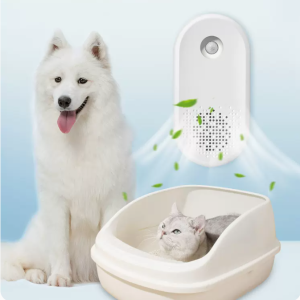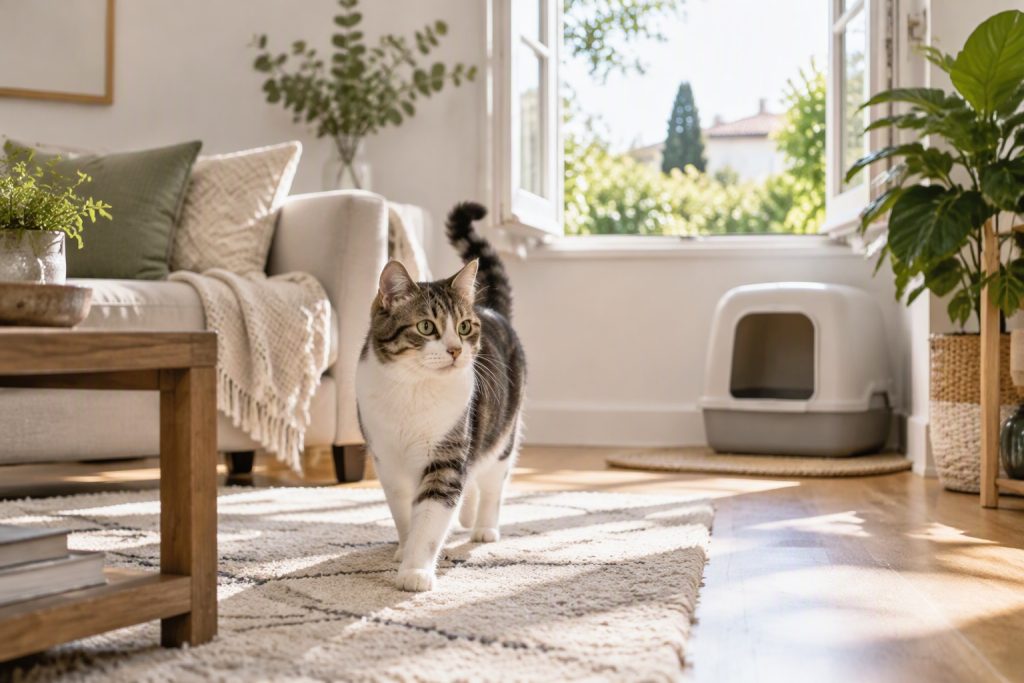
An effective cat odour remover does not just mask smells, it breaks them down at the source. Enzyme-based cleaners are the best choice for urine, because they digest the proteins and uric acid crystals that cause lingering odour, while a good pet-safe surface cleaner handles everyday messes. For homes with cats, avoid strong air fresheners and use targeted cleaning plus good ventilation instead.
- Enzyme cleaners break down urine odour.
- Masking smells does not remove them.
- Test products on a hidden area first.
- Avoid strong scents, which bother cats.
What makes a cat odour remover effective?
The best odour removers work chemically rather than by covering up a smell. Cat urine contains uric acid crystals that bind to surfaces and release odour for a long time, especially in humid conditions, and they are not removed by ordinary soap or detergent. An effective remover contains enzymes that break down the uric acid, along with the proteins and bacteria that contribute to the smell, so the odour is eliminated at the source rather than hidden. It should also be safe for the surfaces you use it on and for your cat, since cats are sensitive to many chemicals and will avoid areas that smell of harsh products. A good remover is unscented or very lightly scented, because strong perfumes can be aversive and may encourage your cat to mark the spot again. Look for products labelled for pet odours and urine, follow the instructions on dwell time, and choose a formula suited to the surface. Our article on litter box placement helps reduce odours at the source.
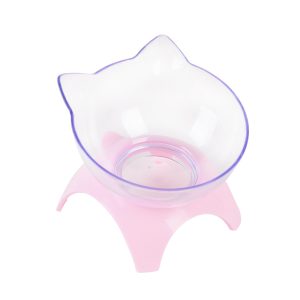
Tray, scoop, anti-splash mat and clumping litter. The whole litter corner, one box. Keeps the litter area contained,…
Enzyme cleaners or standard cleaners, which works?
For cat urine and other organic messes, enzyme cleaners are generally the better choice. Standard household cleaners, including disinfectants and detergents, may remove the visible stain and some of the smell, but they often leave the uric acid crystals behind, so the odour returns, especially in warm or damp weather. Worse, some cleaners contain ammonia, which smells similar to urine and can actually encourage a cat to mark the same spot again. Enzyme cleaners use biological agents to break down the compounds causing the smell, which is why they are recommended for pet accidents. That said, enzyme products need time to work; you usually have to saturate the area and leave them to dwell, sometimes covered, so the enzymes can do their job. For general cleaning of floors and surfaces, a mild pet-safe cleaner is fine. The best approach is often a combination: enzyme cleaner for urine and organic odours, and a gentle surface cleaner for routine hygiene. Always follow the label instructions.
Which surfaces can I use an odour remover on?
Enzyme and pet-safe cleaners are suitable for many surfaces, but you need to match the product to the material. Hard surfaces such as tile, sealed wood, laminate, and painted walls can usually be cleaned with a diluted enzyme cleaner, though you should test on a hidden spot first to check for discolouration. Carpets and rugs are a common target, and enzyme cleaners work well if you saturate the area and let it dwell, then blot rather than scrub, which can push the contamination deeper. Upholstery needs care; use a product suitable for fabric and test first, and be careful not to overwet the filling. Mattresses and bedding are trickier, and some items may need professional cleaning or replacement if the contamination is deep. Avoid using enzyme cleaners on leather, silk, or delicate fabrics without checking the label. For litter trays and hard floors, a mild pet-safe cleaner plus thorough rinsing is usually enough. Always ventilate the area while cleaning and let it dry fully.
How do I remove cat urine smell completely?
Complete removal takes a methodical approach. First, blot up as much fresh urine as you can with paper towels, pressing rather than rubbing, and repeat with clean towels until no more transfers. Then apply an enzyme cleaner generously, enough to reach the same depth the urine soaked to, and let it dwell for the time the label recommends, often covering it with a plastic sheet to keep it damp so the enzymes keep working. After the dwell time, blot and allow it to air-dry completely; if the smell persists once dry, repeat the process, because a single application may not reach deep contamination. For carpets, you may need to lift the carpet and treat the underlay if the urine soaked through. Do not use a steam cleaner before the enzymes have finished, as heat can set the stain, and avoid ammonia-based products. If the smell remains after repeated treatment, the contamination may be in the floor beneath, and a professional cleaner may be needed. Our guide to fixing litter box smells covers prevention at the tray.
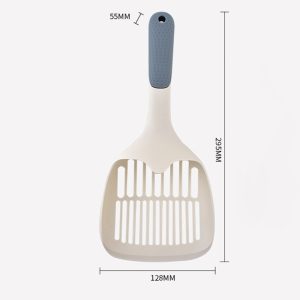
A large plastic scoop takes the daily pass, which is the one that keeps the smell down. Keep…
Are air fresheners and candles safe around cats?
Many air fresheners, scented candles, reed diffusers, and essential oil burners are not safe around cats, and some are genuinely dangerous. Cats metabolise many chemicals differently from humans, and certain essential oils, including tea tree, eucalyptus, citrus, peppermint, and wintergreen, are toxic to them, whether inhaled, ingested, or absorbed through the skin. Plug-in fresheners and aerosol sprays add airborne chemicals that can irritate a cat’s respiratory system, and the strong scents can be aversive, sometimes causing a cat to avoid the area or to mark over the smell. Scented cat litters and heavily perfumed cleaning products have the same problem. If you want a fresher-smelling home, the safer route is to remove the source of odour, ventilate well by opening windows, use an air purifier with a suitable filter, and clean regularly with pet-safe products. If you use any scented product, keep it away from your cat and her litter area, and check with your vet if you are unsure about a specific oil or product.
How do I prevent odours returning?
Prevention is easier than repeated cleaning. Address the source first: scoop the litter box at least once or twice a day, change litter regularly, wash the box, and replace old, scratched trays that hold onto odour. Ensure enough boxes for the number of cats, and place them away from food and in quiet, well-ventilated spots. Clean accidents immediately with an enzyme cleaner, and check for any pattern, since repeated marking in one spot can signal stress or a urinary problem. Keep the home well ventilated, wash cat bedding regularly, and clean food and water bowls often. If your cat is spraying or urinating outside the box, treat that as a behaviour or health issue rather than only a cleaning problem, and see your vet if it is new. Removing the underlying cause, whether a dirty tray, a health problem, or stress, is what keeps odours from coming back, and staying on top of tray hygiene makes the biggest difference of all.
Frequently asked questions
- Do enzyme cleaners really work on cat urine? Yes, they break down the uric acid crystals that cause lingering odour.
- Can I use bleach to remove cat odour? Avoid bleach; it can be harmful to cats and may not remove uric acid.
- Are scented candles safe for cats? Many are not; essential oils and strong scents can be toxic or irritating.
- Why does cat urine smell come back after cleaning? Ordinary cleaners leave uric acid behind; use an enzyme cleaner instead.
- How do I stop my cat urinating outside the box? Rule out a health problem and address stress, then check litter and box hygiene.