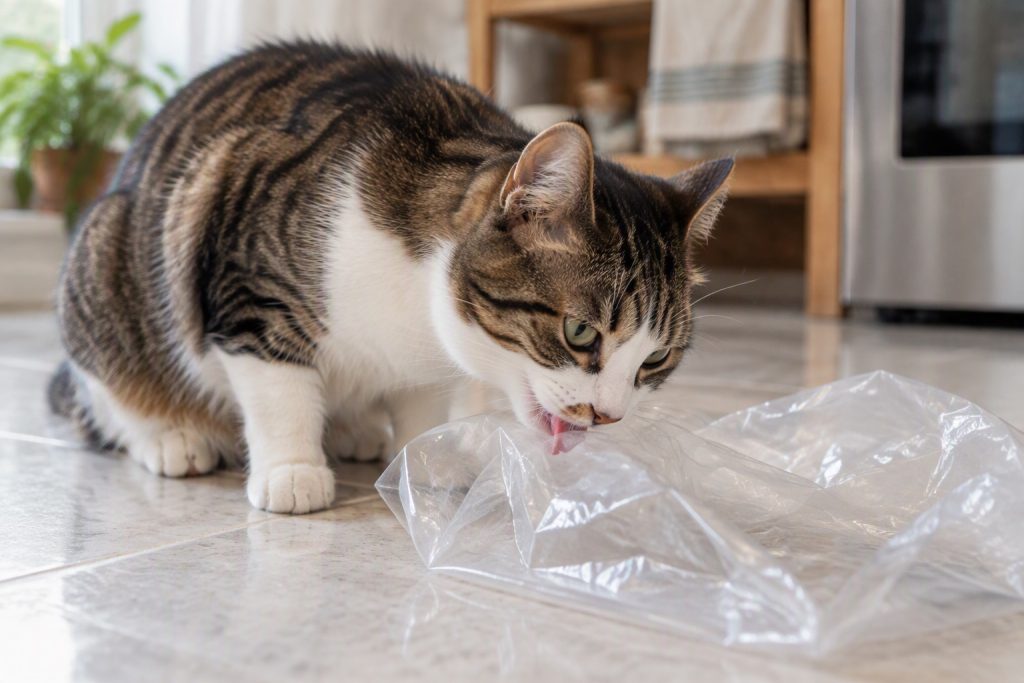
Most cats who lick plastic are doing it out of boredom, stress, or simple sensory curiosity, and the behaviour is usually harmless if they only lick. It becomes a concern when they swallow plastic, when the habit starts suddenly, or when it comes with other changes such as vomiting or weight loss, since that can point to a medical problem. The practical answer is to remove access and add enrichment, and to see a vet if the behaviour is new or intense.
- Boredom and stress are the most common causes.
- Licking is usually harmless; swallowing is not.
- Put bags and wrap out of reach.
- A sudden new habit deserves a vet check.
Why does my cat lick plastic?
Cats lick plastic for several overlapping reasons, and the simplest is curiosity. Plastic bags crinkle and move, which mimics the rustle of prey, and many cats investigate with their mouths. Some plastics are manufactured with tallow or other animal-derived compounds, leaving a faint scent or taste that appeals. Others carry the smell of food, especially grocery bags and the film around meat. Boredom and under-stimulation are major drivers: a cat with little to do may develop repetitive habits, and licking is a self-soothing one. Stress can do the same, and some cats lick plastic when routines change or their environment feels unsettled. Occasionally the behaviour is linked to pica, a condition where cats chew or eat non-food items, or to a nutritional or dental issue. Because the reasons vary, watching when it happens tells you a lot. Our article on why cats purr explores another self-soothing behaviour.
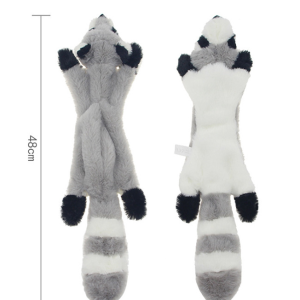
Made from cloth Key features 【Name】 : cat simulation animal sound shell toy[Fill]: No fill, 2 built-in BB…
Is licking plastic dangerous?
Licking itself is usually low risk, but the dangers come from what can follow. A cat who licks may progress to chewing and swallowing, and swallowed plastic can cause a blockage, especially soft films and bags that can lodge in the gut. Plastic bags are a suffocation hazard, particularly the thin, large ones a cat can climb inside, so they should never be left where a cat can reach them. Some plastics and wraps carry residues, coatings, or printing inks that are not safe to ingest, and sharp fragments can injure the mouth or digestive tract. The crinkly plastic around packaged food may also hold bacteria from raw meat. Even if your cat has only ever licked, the risk of escalation means access should be controlled. Treat plastic bags, wrap, bubble wrap, and packaging film as you would any other hazard, and store them sealed and out of reach.
What medical causes make cats lick plastic?
Some medical conditions can drive the behaviour, which is why a sudden or intense habit needs a vet. Pica, the eating or chewing of non-food items, is sometimes linked to stress, anxiety, or an underlying illness, and it can be serious. Nutritional deficiencies are occasionally a factor, though most complete commercial diets meet a cat’s needs, so this is less common than people assume. Dental pain, gum disease, or gastrointestinal discomfort such as inflammatory bowel disease or parasites can make a cat lick and chew oddly. Cats with anaemia, hyperthyroidism, or other systemic illness sometimes show changed oral behaviour. In older cats, a new habit can be an early sign of a medical or cognitive change. Your vet can examine your cat, discuss the pattern, and run tests if needed. Do not assume it is purely behavioural until a health check has ruled out the physical causes.
How do I stop my cat licking plastic?
The core strategy is to remove access and replace the habit with something better. Store bags, wrap, and packaging in drawers, cupboards, or bins your cat cannot open, and put away anything crinkly after use. If a particular object is the target, such as a shower curtain or a bag of treats, either store it out of reach or make it unappealing with a pet-safe deterrent. Then address the underlying drive: add play sessions that mimic hunting, offer food puzzles and rotating toys, and provide climbing and scratching outlets. If stress seems to be the trigger, look at recent changes and add predictable routines, quiet hiding spots, and a pheromone diffuser. Never punish the behaviour, which adds stress. Redirect calmly to a toy or a treat. For more on meeting enrichment needs, see our article on why a cat meows so much, which often shares the same root cause of unmet needs.

Rainbow-striped plush cylinder. Keeps a bored indoor cat busy and burns off restless energy. Made from fleece and…
Should I worry if my cat eats plastic?
Yes, eating plastic is a different matter from licking it, and it warrants attention. A swallowed piece can cause a partial or complete blockage, which is a surgical emergency. Signs to watch for include repeated vomiting, especially after eating, loss of appetite, drooling, abdominal pain, lethargy, and a cat who strains to pass stool or stops passing any. Some cats swallow small pieces without obvious signs, but the risk remains. If you see your cat eat plastic, or you suspect it, contact your vet straight away and describe what was eaten and when, because early treatment is far easier than waiting for a blockage to develop. Do not induce vomiting or give home remedies unless your vet instructs you to. If your cat is showing any of the signs above, treat it as urgent. Keeping plastic out of reach remains the single most effective prevention.
When should I see a vet about plastic licking?
Book a vet visit if the behaviour is new, if it has become obsessive, or if it is accompanied by any other change. Lethargy, vomiting, diarrhoea, weight loss, changed appetite, or a cat who seems unwell alongside the licking all point to a possible medical cause. See a vet urgently if you think your cat has swallowed plastic, or if she is showing signs of a blockage or is in distress. For a cat who only licks occasionally and is otherwise bright, you can try the environmental changes first and monitor. Even so, mention it at your next routine check, since it is useful information. A vet can assess whether pica, dental disease, or another condition is involved, and can advise on behaviour support if the cause is emotional. Health topics that persist are always best discussed with your vet rather than managed indefinitely at home.
Frequently asked questions
- Why does my cat lick plastic bags specifically? Bags crinkle like prey, may carry a faint animal-derived scent, and are often left accessible.
- Is plastic licking a sign of a deficiency? Rarely, if the diet is complete; boredom and stress are far more common.
- Can licking plastic kill my cat? Licking alone rarely does, but swallowed plastic can cause a fatal blockage.
- Should I punish my cat for licking plastic? No. Remove access and add enrichment instead; punishment adds stress.
- My cat licks plastic at night. Why? Night licking often signals boredom or an unmet need for play and stimulation, when the house is quiet and there is little else to do.