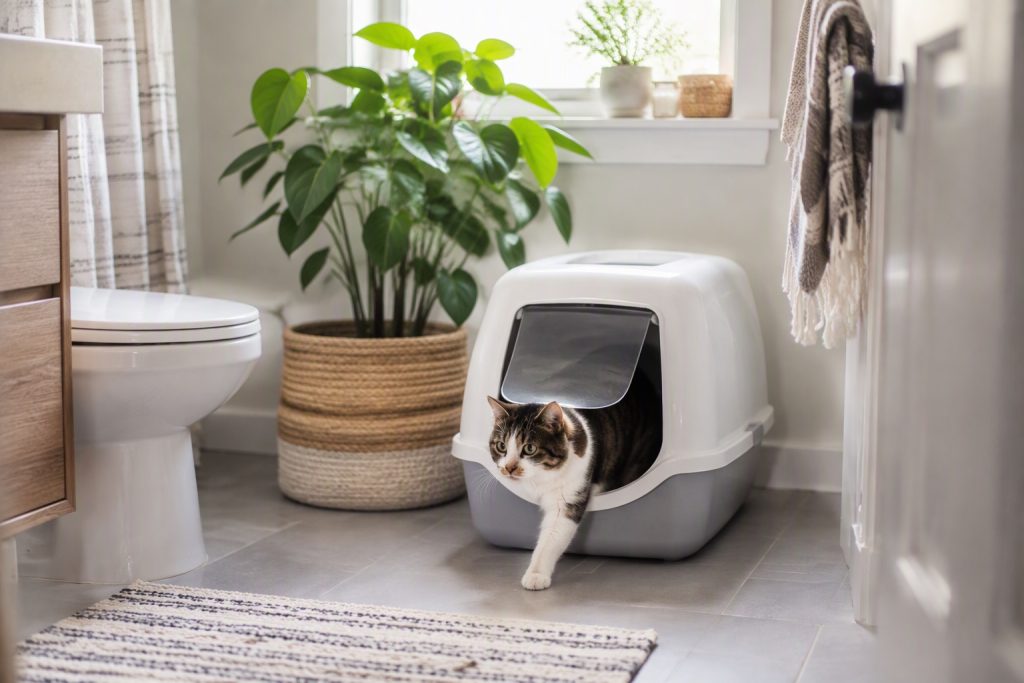
The best litter box for a small space is an uncovered box that is as large as you can fit, placed in a quiet, low-traffic spot that stays accessible. Size matters more than style, and a box that is too small is a common cause of accidents. In a tight home, clever placement beats a fancy box every time.
- Choose the largest box your space allows.
- Keep it uncovered unless odour demands a hood.
- Place it quiet, private, and always reachable.
- One box per cat plus one, even in small homes.
What is the best litter box for a small space?
In a small home, the best box is a simple, uncovered pan that is one and a half times the length of your cat from nose to tail base, because cats need room to turn around and dig comfortably. Many commercial boxes are far too small, which is why so many cats hang their rear over the edge or avoid the box altogether. A large, shallow storage bin or a high-sided pan can work well and often costs less than a purpose-built box. If space is genuinely tight, look for a low-profile design that still offers length, and consider a top-entry or corner box only if it suits your cat. The priority is a box she can use comfortably, not one that hides neatly. A cramped box that fits your decor will not fix the accidents it causes, so size should win over tidiness.
Tray, scoop, anti-splash mat and clumping litter. The whole litter corner, one box. Keeps the litter area contained,…
How big should a litter box be, even in a small home?
Even in a small home, aim for a box that is roughly one and a half times your cat’s body length, which for many cats means at least eighteen to twenty-four inches long. Length matters more than width or height, because cats need to walk in, turn around, and dig without their head or rear touching the sides. If you cannot fit a large box in the room you had planned, it is usually better to move the box to a room with more floor space than to shrink it. An uncovered box is also easier to place, since it needs no clearance for a lid. If you truly cannot fit a full-size box, choose the longest, widest option available and keep it scrupulously clean, because a cramped box must at least never be dirty. Our guide to litter box placement shows how to fit a proper box into a tight layout.
Are covered boxes better for small spaces?
Covered boxes are popular in small homes because they hide the mess and trap some odour, but they come with real trade-offs. A hood concentrates smells inside the box, which many cats dislike, and it can feel like a dead-end ambush spot to a nervous cat, so some cats simply refuse to use them. Covered boxes also need more clearance and are harder to clean thoroughly. If you choose one, pick a large model with good ventilation and a door your cat can push open easily, and be ready to remove the lid if she avoids it. For most cats in small spaces, an uncovered box in a private spot works better than a covered box that traps odour. If smell is your main worry, address it through cleaning, litter choice, and ventilation rather than sealing it in. Our comparison of cat litter types explains which litters control odour best.
How do I stop odour in a small apartment?
Odour control in a small home comes down to cleanliness, litter choice, and airflow. Scoop at least once or twice a day, do a full litter change weekly, and wash the box itself regularly, because plastic can hold onto smells even when the litter is fresh. Choose a litter with good clumping and odour control, and avoid heavily perfumed products, which many cats dislike and which often just mask smells. Keep the box away from your main living area where possible, and use a window, fan, or air purifier to move air through the room. An uncovered box with a carbon filter nearby often smells better than a covered box that traps everything inside. Do not rely on deodorisers sprinkled into the litter, since strong scents can put a cat off the box entirely. Consistency with cleaning does more for odour than any gadget.
Where should I put the box in a small home?
Place the box somewhere quiet, private, and easy for your cat to reach at any hour, which in a small home often means thinking creatively. A bathroom, a corner of a bedroom, or a hallway nook can work well, while the kitchen or a spot beside her food is out. Avoid the laundry room if machines run often, and avoid anywhere she must pass a dog or a busy doorway to reach. If the only option is a living area, use a screen or a low divider to give her a sense of privacy without sealing her in. Make sure the door never gets closed, because an inaccessible box leads to accidents. In a small home, a box with a clear path and a little visual cover usually works better than a hidden one she cannot reach comfortably.
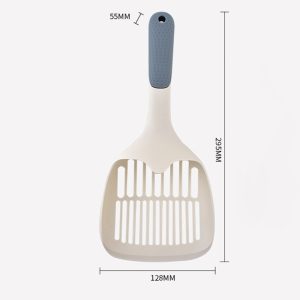
A large plastic scoop takes the daily pass, which is the one that keeps the smell down. Keep…
How many litter boxes can a small space hold?
The general rule is one box per cat plus one extra, but in a very small home that may not be practical, so do your best and prioritise. If you have one cat and limited space, two boxes in different spots is the ideal, and even two boxes in the same room is better than one if you can manage it. For two cats, try for three boxes, or at least two large, well-separated ones. Boxes placed side by side can be treated as a single territory by cats, so spread them out where you can. If space truly prevents multiple boxes, keep the ones you have spotless and consider a larger box that gives each cat room. The goal is to prevent competition and accidents, and a thoughtful compromise beats a strict rule you cannot follow.
Frequently asked questions
- Can I keep a litter box in a small bedroom? Yes, if it is scooped daily and kept away from your head area. Good ventilation and regular cleaning make it workable.
- Is a top-entry litter box good for small spaces? It can save space and reduce tracking, but some cats dislike jumping in, so it suits confident cats best.
- How often should I change litter in a small apartment? Scoop daily and do a full change weekly, or more often if odour builds, since small spaces trap smells quickly.
- Can I hide a litter box in a cabinet? Only if the space is well ventilated and your cat can enter and exit easily. Confined boxes trap odour and can be refused.
- Does a smaller box cause accidents? Yes. A box that is too small is a common cause of cats going beside it, so choose the largest size you can fit.