

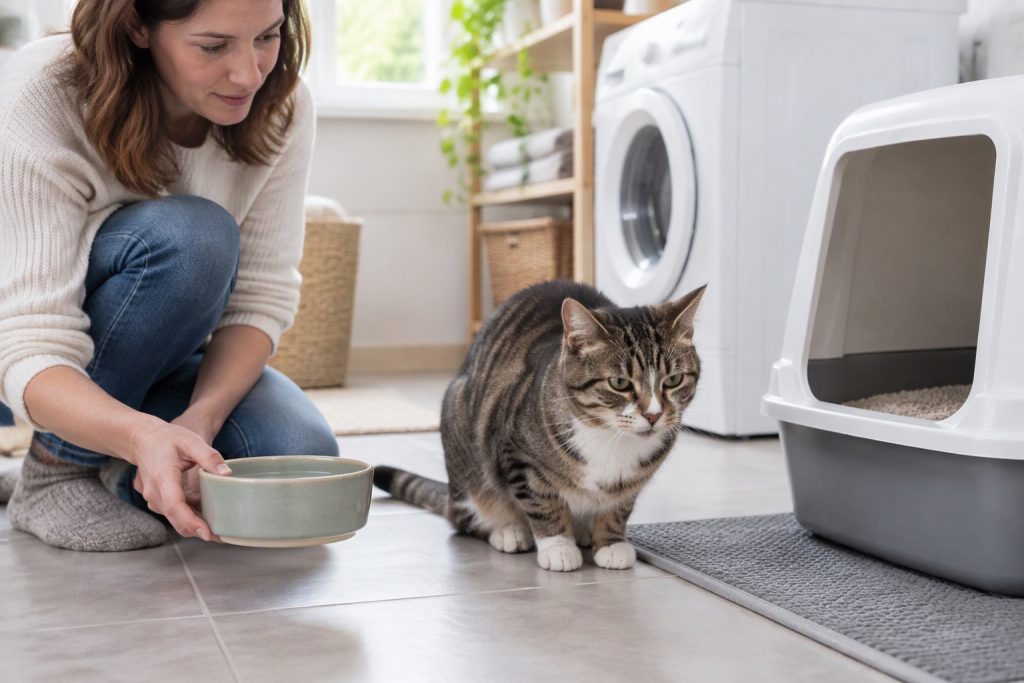
Mild cat constipation often responds to simple home measures: more water, more fibre, more movement, and less stress. Adding moisture to meals, offering a wet-food diet, and encouraging drinking are the safest first steps, while gentle play and a calm litter routine help things move. Never give a cat human laxatives or painkillers, because several are toxic. If your cat has not passed a stool for more than a day or two, is straining painfully, is vomiting, or seems unwell, see a vet rather than treating her at home.
- Add moisture: wet food and more drinking.
- Increase gentle fibre and daily movement.
- Never give human laxatives or painkillers.
- Straining, vomiting, or no stool for days needs a vet.
What are the safest home remedies for cat constipation?
The safest measures are dietary and environmental rather than medicinal. Start with water: cats evolved to get most of their moisture from prey, and many house cats are mildly dehydrated, which makes stool hard and difficult to pass. Switching some or all of the diet to wet food, adding a little warm water to meals, and offering fresh water in several places all help. Fibre comes next, but gently. A small amount of plain cooked pumpkin, or a commercial hairball or fibre supplement made for cats, can add bulk and moisture to the stool. Movement matters too, because a sedentary cat has a sluggish gut, so a short play session twice a day helps. Finally, reduce stress and keep the litter box clean, private, and easy to reach, since cats who avoid the box will hold on and become constipated. If you are unsure, ask your vet before changing her diet.
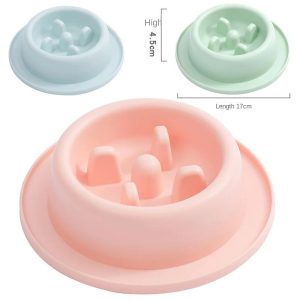
Round bowl with a removable flower insert. Made from PP. Made for daily feeding and fresh water. Keeps…
How much water should I add to my cat’s food?
There is no single correct amount, but a good starting point is one to two tablespoons of warm, not hot, water stirred into each wet meal, increasing gradually if she accepts it. The goal is to make the meal noticeably wetter without turning it into soup, which many cats refuse. Warm water also releases aroma, which makes the food more appealing to a cat with a reduced appetite. If your cat eats dry food only, transitioning some meals to wet food is the most effective single change you can make, but do it slowly over a week or more to avoid stomach upset, mixing a little wet food into the dry and increasing the ratio. Always keep a clean bowl of fresh water available, and consider a fountain, since many cats drink more from moving water. Our guide on keeping your cat hydrated covers more ways to raise her water intake.
Which human foods and remedies are dangerous?
Several common household remedies are genuinely dangerous for cats, so this is the part to read carefully. Never give human laxatives such as those containing senna or bisacodyl, and never give human painkillers, because paracetamol and ibuprofen are toxic to cats and can be fatal even in small doses. Do not give milk as a remedy, because most adult cats are lactose intolerant and milk often causes diarrhoea, which can worsen dehydration. Mineral oil and petroleum jelly should not be used without veterinary guidance, because if they are inhaled they can cause serious lung problems. Do not force water into her mouth, which risks choking and aspiration. Avoid home enemas entirely, since they can cause injury. If simple dietary changes are not working within a day or two, the correct next step is a call to your vet, not a stronger home remedy.
When does constipation need a vet urgently?
Seek veterinary care if your cat has not passed a stool for more than about forty-eight hours, or if she is straining in the litter box with little or nothing coming out. Repeated, unproductive straining is a warning sign, because it can indicate a blockage or a condition called megacolon, where the colon loses its ability to move stool. Other urgent signs include vomiting, a swollen or painful abdomen, loss of appetite, lethargy, crying while toileting, or any blood or mucus in the stool. A cat who is straining to urinate should be seen immediately, because this can be a life-threatening urinary blockage and is easily confused with constipation. Older cats and cats with kidney disease are more prone to constipation, so their threshold for a vet visit should be lower. Persistent constipation is a medical issue, not just a diet problem.
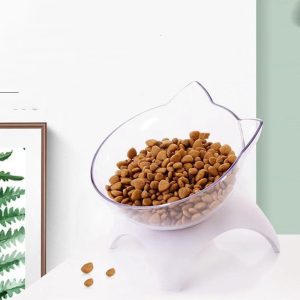
Clear glass bowl holding dry food. Made from plastic. Made for daily feeding and fresh water. Keeps food…
How can I prevent constipation from coming back?
Prevention is mostly about moisture, fibre, movement, and routine. Keep her on a diet that includes plenty of wet food, and make water easy to find by placing bowls in several quiet spots and cleaning them daily. If your vet has recommended a fibre supplement, use it consistently rather than in bursts, because sudden fibre changes can cause gas and discomfort. Encourage daily activity with two play sessions, since exercise stimulates the gut, and keep her weight in a healthy range, because obesity reduces mobility and gut motility. Maintain a clean, quiet litter box that she can reach without stress, and address any conflict between cats, because anxiety causes litter avoidance and stool-holding. Finally, keep regular wellness visits, especially for a senior cat, so underlying conditions like kidney disease, arthritis, or thyroid problems are caught early, since each of these can contribute to constipation.
How long before I should see improvement?
With dietary and hydration changes, mild constipation often improves within twenty-four to forty-eight hours, and you should see softer, easier-to-pass stool. If nothing changes in that window, or if she seems uncomfortable, contact your vet rather than escalating home treatment. Do not judge success by a single stool, because the goal is a sustained change in consistency and comfort. Keep a simple note of when she goes and what the stool looks like, which gives your vet useful information. If constipation is a recurring problem for your cat, it usually means there is an underlying cause worth investigating, such as dehydration, a diet that does not suit her, arthritis that makes squatting painful, or an intestinal or metabolic condition. Recurrent constipation is best managed with a vet-designed plan rather than repeated guesswork, and it is far easier to treat early than after it becomes chronic. For a fuller picture of the condition, see our article on cat constipation relief.
Frequently asked questions
- Can I give my cat human laxatives? No. Several are toxic or dangerous to cats. Ask your vet for a cat-safe option instead.
- Is pumpkin safe for constipated cats? Plain cooked pumpkin in small amounts is often used, but check the amount with your vet first.
- How long can a cat go without pooping? More than about forty-eight hours without a stool warrants a vet visit.
- Can milk help a constipated cat? No. Most adult cats are lactose intolerant and milk often causes diarrhoea and dehydration.
- Why does my cat keep getting constipated? Common causes include dehydration, diet, obesity, arthritis, and underlying disease. A vet can identify the cause.





