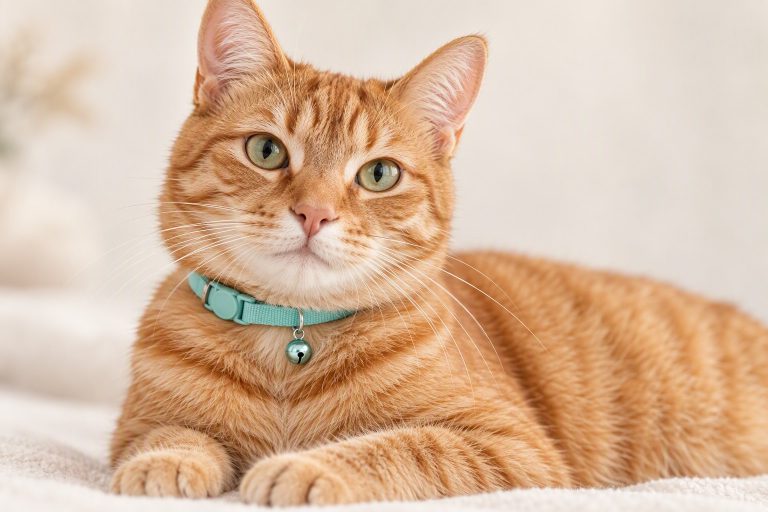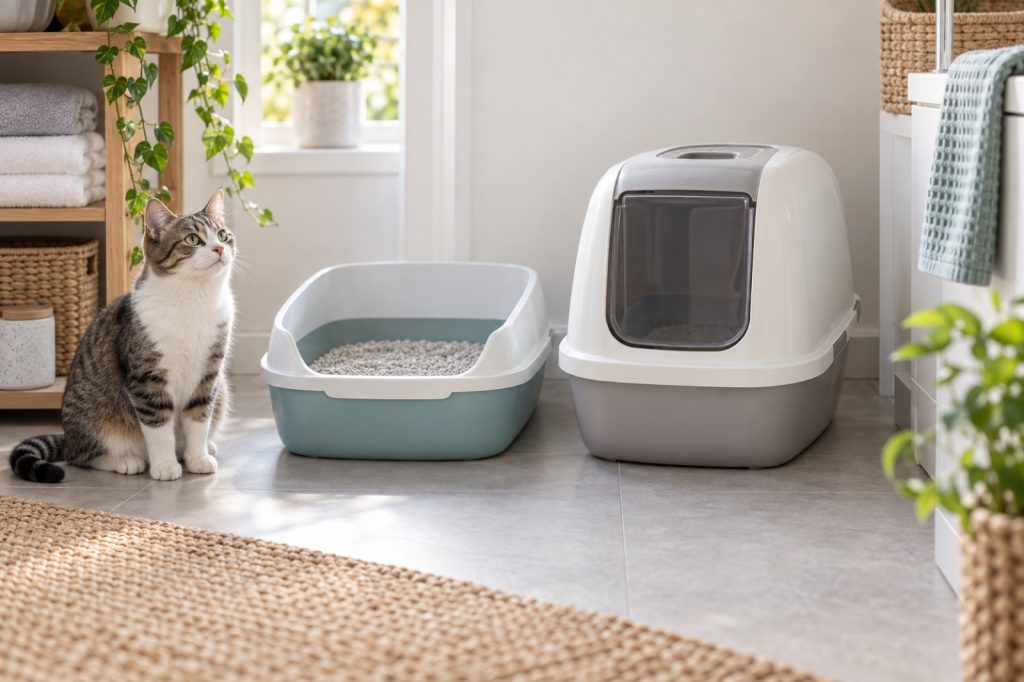
For most cats, an uncovered box with high sides is the safest choice: it is airy, easy to enter, and lets a cat see who is approaching. Covered boxes contain scatter and some odour but trap smells and can feel like a trap. Self-cleaning boxes save you daily scooping but are expensive, mechanical, and not every cat trusts them. The right pick depends on your cat, not on the gadget.
- Open, high-sided boxes are the safest default.
- Covered boxes reduce scatter but trap odour.
- Self-cleaning boxes are convenient, not essential.
- Whichever you pick, buy big and keep it clean.
What is the difference between covered, open, and self-cleaning boxes?
An open box is simply a tray, sometimes with raised sides or a low entry lip. Air moves freely through it, and the cat has an unobstructed view in every direction. A covered box adds a hood or a full enclosure, often with a swinging door, which hides the contents and contains kicked litter. A self-cleaning box is an open or covered tray with a motorised rake or rotating drum that sifts clumps into a sealed bin on a timer or after each use. Each design trades something: openness for privacy, convenience for complexity. Understanding what you give up is the key to choosing well. Most behaviour problems trace back to a box that suits the owner’s eye more than the cat’s instincts. None of the three designs is wrong on its own, but each one fails in a predictable way, and knowing that failure mode makes troubleshooting much faster.
Tray, scoop, anti-splash mat and clumping litter. The whole litter corner, one box.
Which type do most cats actually prefer?
Given a free choice, most cats pick an open, generously sized box. The reasons are practical. An open box lets a cat keep watch while she is in a vulnerable position, and cats are hardwired to scan for threats while toileting. It also ventilates, so the smell does not build up around her face. Covered boxes concentrate ammonia and trap it, which is unpleasant for a nose far sharper than ours. Self-cleaning boxes add noise and motion, and a rake that starts moving mid-visit can frighten a nervous cat badly enough that she avoids the box altogether. This does not mean covered or automatic boxes never work — plenty of cats use them happily. It means that if you are troubleshooting avoidance or accidents, the open box is the one to try first. A cat who has never had a choice will usually tell you her preference within a few days if you set both types side by side.
Are covered boxes ever the better choice?
Yes, in specific situations. If your cat kicks litter with real enthusiasm, a covered box keeps the floor cleaner. If the box must live in a visible part of the home, a hood makes it easier on the eye, which matters for households where an open tray would be banished to a bad location. The catch is ventilation and size: a covered box must be large enough for the cat to stand, turn, and raise her head without touching the roof, and it should sit in an open, airy spot rather than a closed cabinet. Many hoods can be removed if your cat dislikes them, which makes a covered box a reversible experiment. If overshooting is your issue, the deeper problem is often box size, not the hood. And if you have several cats, a covered box can become a contested single entrance, so always offer at least one open box as well.
Do self-cleaning boxes work for real cats?
They can, and for busy households they genuinely reduce daily labour. But they are not a shortcut around cleaning. The rake needs emptying, the drum and sensors need wiping, and the litter still has to be topped up and replaced. Some cats adapt instantly; others are spooked by the motor and the movement, especially if the cycle starts while they are nearby. If you go automatic, keep a plain open box alongside it during the transition so your cat is never left without a familiar option. That way, if she rejects the machine, you have not lost her toileting habits. For most cats, a clean manual box beats a dirty automatic one, so do not buy the gadget to avoid scooping. If you do buy one, keep the receipt and the original box until you know your cat accepts it, because returns are common.
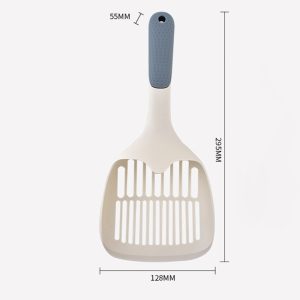
Cat Litter Shovel Shit Shovel Artifact Wholesale Pet Cleaning Supplies Large Cat Litter Shovel Tofu Cat Litter Cat…
How do I choose the right size and litter?
Size first: a box should be about one and a half times your cat’s length from nose to tail base, and wide enough for her to turn around. If you have more than one cat, the count matters more than the style, which is why one box per cat plus one is the rule to plan around. Litter next: unscented clumping litter in a five to seven centimetre layer suits most cats, because it digs well and does not overwhelm a sensitive nose. Strongly scented litters and crystals are common culprits behind box avoidance. Whatever box you choose, the winning combination is large, open, and scrupulously clean — the three things cats care about most.
What if my cat refuses the box I bought?
Do not take it personally; treat it as data. If she avoids a covered box, take the lid off and see what happens. If she avoids a self-cleaning box, switch it off and run it manually for a while, or set out a plain tray beside it. If she avoids any box with scented litter, change to unscented and wash the tray thoroughly. Sudden avoidance can also be medical, so if a cat who reliably used her box starts going elsewhere, a vet check comes before any shopping. A cat who perches on the rim or overshoots may need a bigger, higher-sided tray, and our guide to peeing over the box edge walks through that fix step by step. Give any change a week before you judge it, since cats need time to accept a new box.
Frequently asked questions
- Is a covered litter box bad for cats? Not inherently, but it traps odour and limits space. If your cat avoids it, remove the hood. A large covered box with the door taken off often works well.
- Are self-cleaning boxes worth the money? They save scooping time but need maintenance and suit only cats who tolerate the motor. With a nervous cat, the motor can do more harm than good.
- Should I have one box per cat? Yes — one per cat plus one extra, spread across separate quiet spots so no cat has to guard a shared box.
- What litter works best in any box? Unscented clumping litter in a five to seven centimetre layer suits most cats. Avoid scented litters, which many cats dislike.
- Can I mix box types? Absolutely. Offering an open box beside a covered or automatic one lets your cat choose. Watch which one she uses most, then buy a second of that kind.