The best cat odour neutraliser is one that breaks down the source of the smell rather than covering it with perfume, and the most effective products for cat odours are enzyme-based cleaners and oxidising treatments designed for urine. For litter box odour, a carbon-based litter additive or a charcoal filter helps, but nothing replaces daily scooping and a clean box. Any product you choose should be safe for cats to walk on and breathe around.
- Enzyme cleaners break down urine; perfumes only mask it.
- Litter additives help between full changes.
- Never use ammonia-based products near cat urine.
- Daily scooping does more than any spray.
Why do ordinary cleaners fail on cat odour?
Cat urine contains uric acid, which crystallises and binds tightly to surfaces. A standard household cleaner lifts the surface layer but leaves the crystals behind, and as soon as humidity rises, the smell returns. Perfumed sprays are worse, because they add a scent layer on top of a problem that is still there, and many cats find strong perfume aversive enough to avoid the area. Ammonia-based cleaners are a particular mistake, since urine itself contains ammonia and cleaning with it can actually signal to your cat that the spot is a toilet. Enzyme cleaners work differently: they contain enzymes that break the uric acid and other organic compounds down into components that no longer smell. That is why an enzyme product, used properly and given time to work, succeeds where a general-purpose cleaner fails. Our guide to cat odour removers goes into the different product types and how to choose between them.
Tray, scoop, anti-splash mat and clumping litter. The whole litter corner, one box. Keeps the litter area contained,…
What should I look for in an odour neutraliser?
Look for the words enzyme or enzymatic on the label, and check that the product is described as safe for use around pets once dry. A good neutraliser will list the types of odour it targets, including urine, faeces, and vomit, because these have different organic components. For litter boxes, look for a product formulated specifically for litter rather than for carpets, since the job is different. Avoid anything with a heavy added fragrance, because a strong perfume usually signals that the product is masking rather than neutralising, and because cats have a far more sensitive sense of smell than we do. Check the instructions for dwell time: most enzyme cleaners need to stay wet on the surface for several minutes to work, and rushing that step is why people conclude the product does not work. If a product claims to work instantly with no dwell time, be sceptical.
What works best for litter box odour specifically?
The most effective approach is layered. First, scoop at least once a day, ideally twice, because clumps left in place release odour continuously. Second, do full litter changes on a sensible schedule rather than only topping up, and wash the box itself with mild soap and water. Third, use a carbon-based litter additive or a litter box deodoriser designed for the purpose, which helps between changes rather than replacing them. Fourth, if you use a covered box, replace the carbon filter monthly, because a saturated filter does nothing. Fifth, address the litter itself: some litters control odour far better than others, and a dusty, heavily perfumed litter can make the whole area smell worse. Finally, check placement, because a box in a hot, unventilated corner will always smell stronger. Our article on cat litter box smell sets out the full routine in order of impact.
How do I neutralise odour on carpets and furniture?
Start by finding the extent of the contamination, using a UV torch in a darkened room, because dried urine shows up under ultraviolet light even when you cannot smell it. Then blot any fresh wetness with paper towels and press, rather than rubbing. Apply an enzyme cleaner generously so it reaches the same depth as the urine, cover the area with a damp towel or plastic to keep it from drying too fast, and leave it for the full dwell time on the label, which can be ten minutes or considerably longer. Let it air dry naturally rather than using heat, since heat can set the stain. For upholstery, test on a hidden area first. Repeat the treatment if the smell persists after drying, because a single application often does not reach urine that has soaked into padding or underlay. In severe cases, the underlay may need replacing, since no surface cleaner can reach it.
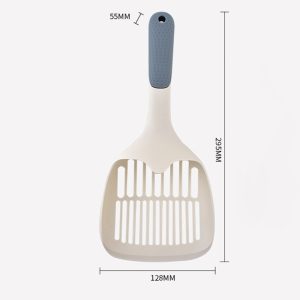
A large plastic scoop takes the daily pass, which is the one that keeps the smell down. Keep…
Which products should I avoid around cats?
Avoid anything containing ammonia, since it both mimics urine and is an irritant to a cat’s respiratory tract. Avoid bleach-based products in areas your cat uses, and never mix bleach with ammonia-based cleaners, which produces dangerous fumes. Avoid essential oil products, particularly those containing tea tree, eucalyptus, citrus, peppermint, or pine oils, because cats metabolise these poorly and many are toxic to them. Avoid plug-in air fresheners and scented candles around the litter box, since the fragrance is unpleasant for the cat and does nothing about the source. Avoid powders that your cat will walk through and then lick off her paws, unless the product is specifically labelled safe for that use. And avoid any product that leaves a strong perfume residue on surfaces your cat touches. When in doubt, ventilate, clean with mild soap, and use a vet-safe enzyme product rather than experimenting with household chemicals.
How do I stop the smell coming back?
Permanent control is a routine rather than a product. Keep the litter box clean and use enough litter, since a shallow layer lets urine reach the plastic. Replace litter boxes when they develop scratches that hold odour, usually after a year or two of regular use. Have enough boxes, following the rule of one per cat plus one, so no single box is overused. Address any underlying behaviour, because a cat urinating outside the box will keep creating new odour sources; a vet check is the right first step for any sudden change in toileting. Ventilate the room, keep humidity down, and avoid placing the box in a hot or enclosed space. Wash bedding and soft furnishings that a cat has marked. And when you do clean, give the enzyme product the dwell time it needs rather than rushing the job, since that single step is what separates a lasting fix from a temporary one.
Frequently asked questions
- Do enzyme cleaners really work on cat urine? Yes, when applied generously and left wet for the full dwell time on the label.
- Can I use bleach to clean up cat urine? No. Bleach irritates the airways and never mix it with ammonia-based products.
- Are essential oils safe as cat odour neutralisers? No. Many essential oils are toxic to cats, so avoid them entirely.
- How often should I change litter to control smell? Scoop daily and do a full change every one to two weeks, or sooner if it smells.
- Why does the smell come back after cleaning? Usually because the cleaner did not reach the depth of the urine, or because uric acid crystals remain.