Slow feeders for cats do work—they genuinely slow down fast eaters, reduce vomiting and bloating, and turn a ten-second meal into a few minutes of engaged eating. They are most useful for greedy or overweight cats, and less necessary for a cat that already eats calmly at a healthy pace.
- Slow feeders extend meal time from seconds to minutes, curbing vomiting and begging.
- They suit greedy, fast, or overweight cats far more than naturally slow eaters.
- Choose a shallow maze for kittens and a deeper one only for determined speed-eaters.
- Pair with measured portions; a slow feeder does not fix overeating on its own.
How does a slow feeder actually work?
A slow feeder is a bowl with ridges, valleys, or puzzle-like compartments that force a cat to navigate around obstacles to reach her food, so she cannot scoop a whole mouthful at once. Instead of inhaling kibble in ten seconds, she nudges, licks, and pauses, stretching the meal to several minutes. That pacing matters because cats who bolt food often swallow air, which leads to bloating, discomfort, and the classic post-meal vomit pile by the bowl. The physical effort also mimics the work of foraging, which satisfies instinct. A good feeding setup treats eating as activity, not a race. If your cat is a speed-eater, our thoughts on wet versus dry food help you decide what to put in the feeder. The device itself is simple, but the behavioural change it creates—calmer digestion and less food anxiety—is the real, measurable benefit owners report within the first week.
Which cats benefit most from a slow feeder?
The clearest winners are greedy cats who guard the bowl, inhale food, and then beg or vomit. Overweight cats also benefit because the extended meal increases satiety signals that fast eating bypasses, helping them feel full on the same calories. Multi-cat homes see fewer food fights when each cat has a measured, slowed meal. Cats with a history of regurgitation after eating are the strongest candidates. By contrast, a naturally dainty eater gains little, and a very old or arthritic cat may find deep mazes frustrating. A shallow slow feeder suits kittens and seniors who need the benefit without the struggle. If your cat is a calm grazer, do not force the gadget—it is a tool for a specific problem, not a universal upgrade, and pushing it on the wrong cat just adds stress at an already vulnerable moment.
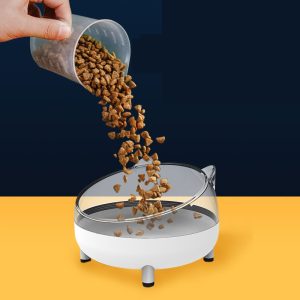
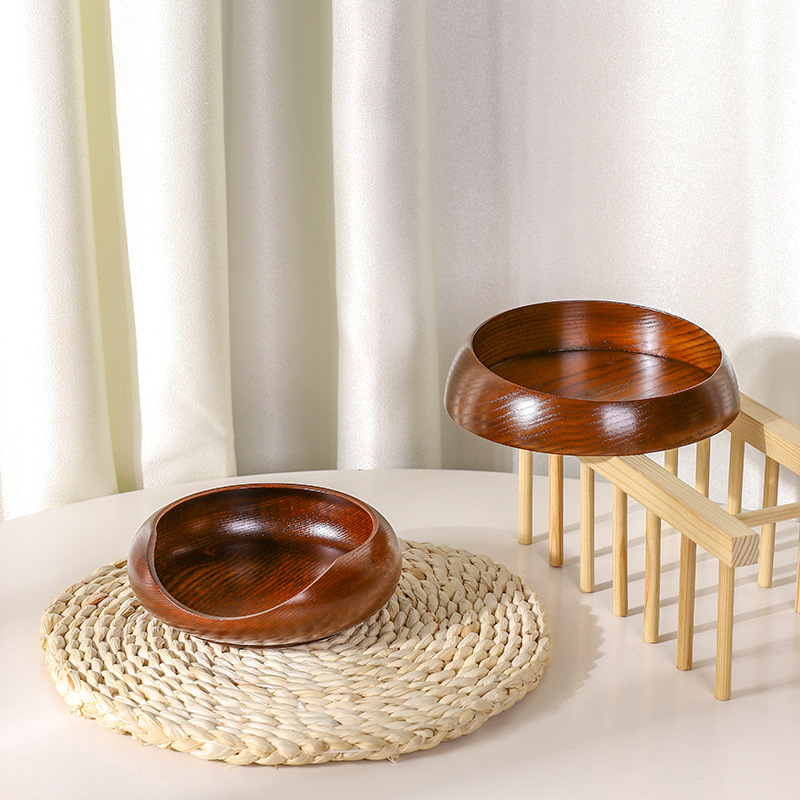
Steady, tip-resistant base. Food-safe and easy to clean.
Are there downsides or risks to slow feeders?
Yes, if chosen poorly. Deep, narrow channels can trap a cat’s whiskers against the sides, causing whisker stress that makes her reluctant to eat, so wide, shallow designs are safer. Some cats get frustrated and give up, losing weight or developing mealtime anxiety, which defeats the purpose. Plastic feeders can harbour bacteria in scratches, so ceramic or stainless steel is healthier, and you must wash daily. A hygienic feeder matters more than fancy ridges. There is also a small risk a determined cat learns to flip the bowl and scatter food, so a weighted base helps. Finally, a slow feeder is not a substitute for portion control—if you overfill it, she still overeats, just more slowly. Used sensibly on the right cat, the risks are minor; used on the wrong cat or left filthy, it creates new problems rather than solving the original one.
How do I choose the right type of slow feeder?
Match the difficulty to the cat. Start with a simple shallow maze for kittens, seniors, or cats new to the concept, then graduate to deeper ridges only if she still bolts food. Material should be ceramic or stainless steel for hygiene, with a non-slip base so it does not skate across the floor as she digs. A cat that also under-drinks benefits from keeping the feeder well away from the water bowl, since cats dislike food scent near drinking water. Size the wells to her kibble so pieces do not jam. If she eats wet food, a flat lick-mat with ridges slows her just as well and is easier to clean. Avoid designs with tiny crevices you cannot scrub. The right feeder feels like a mild puzzle, not a cage; if she walks away hungry or stressed, dial it back. Observe the first few meals and adjust the style rather than assuming one size fits every cat in the home.
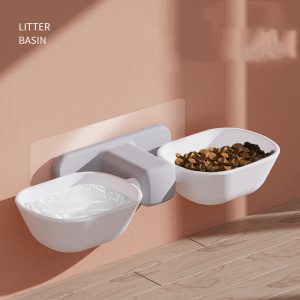
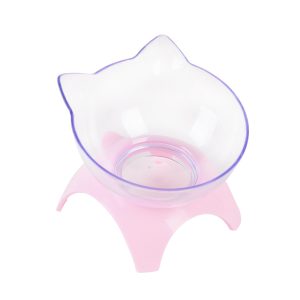
Automatic Feeder Pet Double Bowl With Adjustable Height. Part of the KiKi Meow Cat Feeding and Water collection…
Can a slow feeder help with weight loss?
It can support weight loss, but only as part of a plan. By stretching the meal, a slow feeder gives the brain time to register fullness, so a cat is less likely to immediately demand more after a ten-second gobble. Combined with measured daily portions and a higher-moisture diet that adds fullness for fewer calories, it becomes a useful tool against obesity. A portion-controlled feeding routine is the real engine, with the feeder as the brake. It will not magically melt fat if portions stay large, and it cannot replace play for burning calories. For best results, weigh the daily ration, split it across two slowed meals, and add a water fountain nearby to encourage hydration that further aids metabolism. Think of the feeder as one lever among several; pull it alongside diet and exercise and the scale will finally move the right direction.
How do I introduce a slow feeder without a fuss?
Cats are suspicious of new bowls, so transition gradually. On day one, put a few normal kibbles in the slow feeder alongside her regular bowl so she discovers it as a bonus, not a replacement. Over a week, shift more of the meal into the feeder and remove the plain bowl once she uses it confidently. Rub a little of her old food scent on the ridges to draw her in, and never starve her into using it—that builds resentment. A calm feeding corner with the feeder in her usual spot speeds acceptance. If she paws food out onto the floor, switch to a shallower model. Praise and patience beat force; most cats adapt within days because the food reward is immediate. Once she eats calmly from it, you will notice smaller vomit incidents, longer satiety, and a cat that no longer bolts—proof the slow feeder is doing exactly the job it was designed to do.
Frequently asked questions
- Can kittens use slow feeders? Yes, with a shallow design; deep mazes frustrate small mouths and developing coordination.
- Do slow feeders work for wet food? Use a lick-mat or ridged plate; standard dry-food mazes clog and spoil with wet food.
- Will my cat lose weight just from this? Only with portion control and play; the feeder slows eating but does not cut calories alone.
- How often should I clean it? Daily, with hot water; bacteria hide in ridges, especially in plastic, and make cats refuse it.